Cost guide
What mold remediation costs in Atlanta
Mold jobs range from a small bathroom cleanup to an attic or a whole basement. Here are the published ranges, the factors that move them and how to keep the bill from growing.
- Written by
- Maxine Colburn
- Role
- Restoration Guides Editor
- Updated
- September 2026
Short answer
Fixr's 2025 data puts mold remediation at $1,500 to $9,000 nationally, or about $10 to $30 per square foot, and This Old House reports most homeowners pay $1,200 to $3,750, about $2,300 on average. The area affected, where it is, what has to be removed and whether the moisture source needs repair decide where a job lands.
By Maxine Colburn, Restoration Guides EditorUpdated
The published ranges
Fixr's 2025 figures put mold remediation between $1,500 and $9,000 nationally, about $10 to $30 per square foot, with a small bathroom job around $500 and a typical attic job around $3,500. This Old House reports a narrower range for most homeowners: $1,200 to $3,750, at about $2,300 on average.
| Situation | Published figure | Source |
|---|---|---|
| National range | $1,500 to $9,000 | Fixr, 2025 |
| Per square foot | $10 to $30 | Fixr, 2025 |
| Small bathroom job | About $500 | Fixr, 2025 |
| Typical attic job | About $3,500 | Fixr, 2025 |
| Most homeowners | $1,200 to $3,750 | This Old House, 2025 |
What moves the number
Five things account for most of the difference:
- Area. Square footage of growth sets most of the cost.
- Location. Attics, crawl spaces and wall cavities take longer to reach and contain than an open wall.
- Materials removed. Drywall, insulation, carpet and subfloor add removal and rebuild.
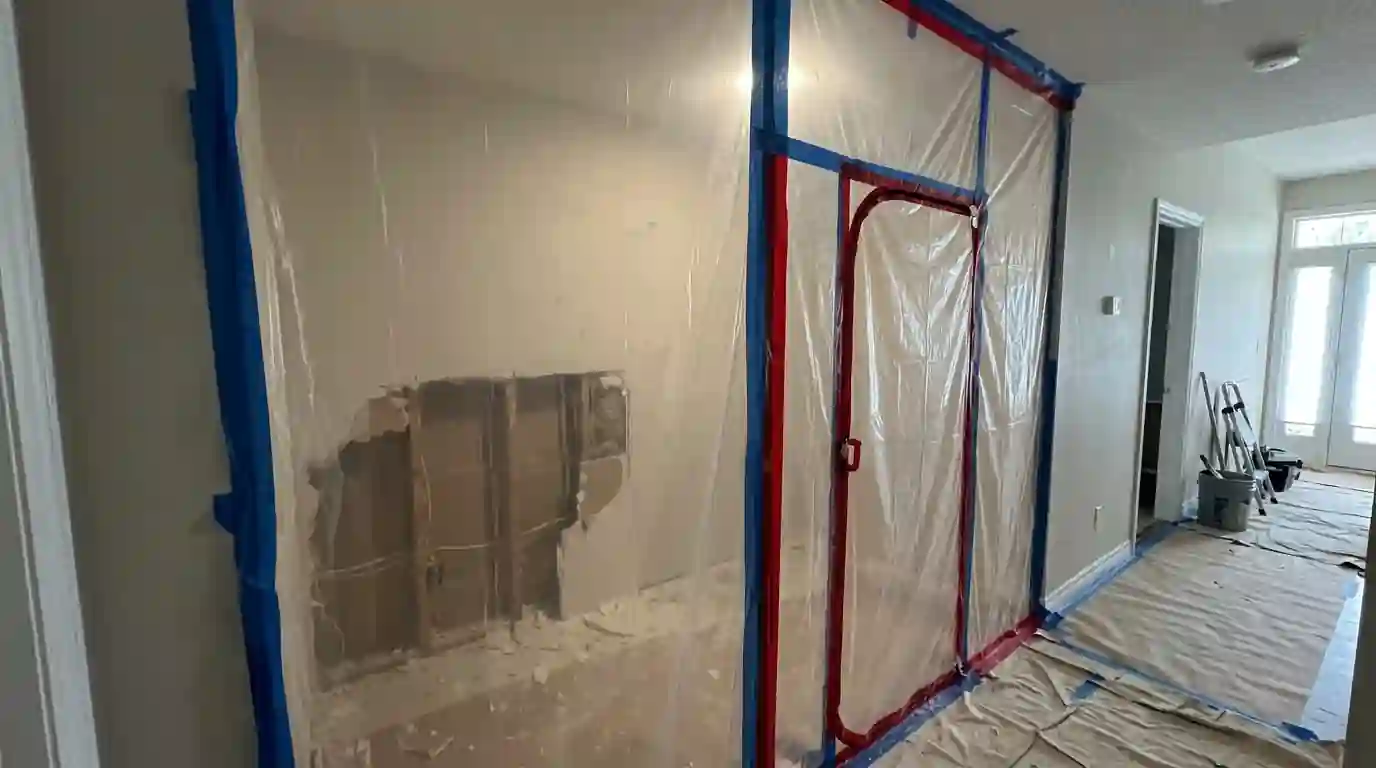
- Containment. Bigger areas need bigger containment and more air filtration.
- The moisture source. A leak, a condensate line or poor ventilation has to be fixed, or the mold returns.
Why Atlanta mold jobs often include drying
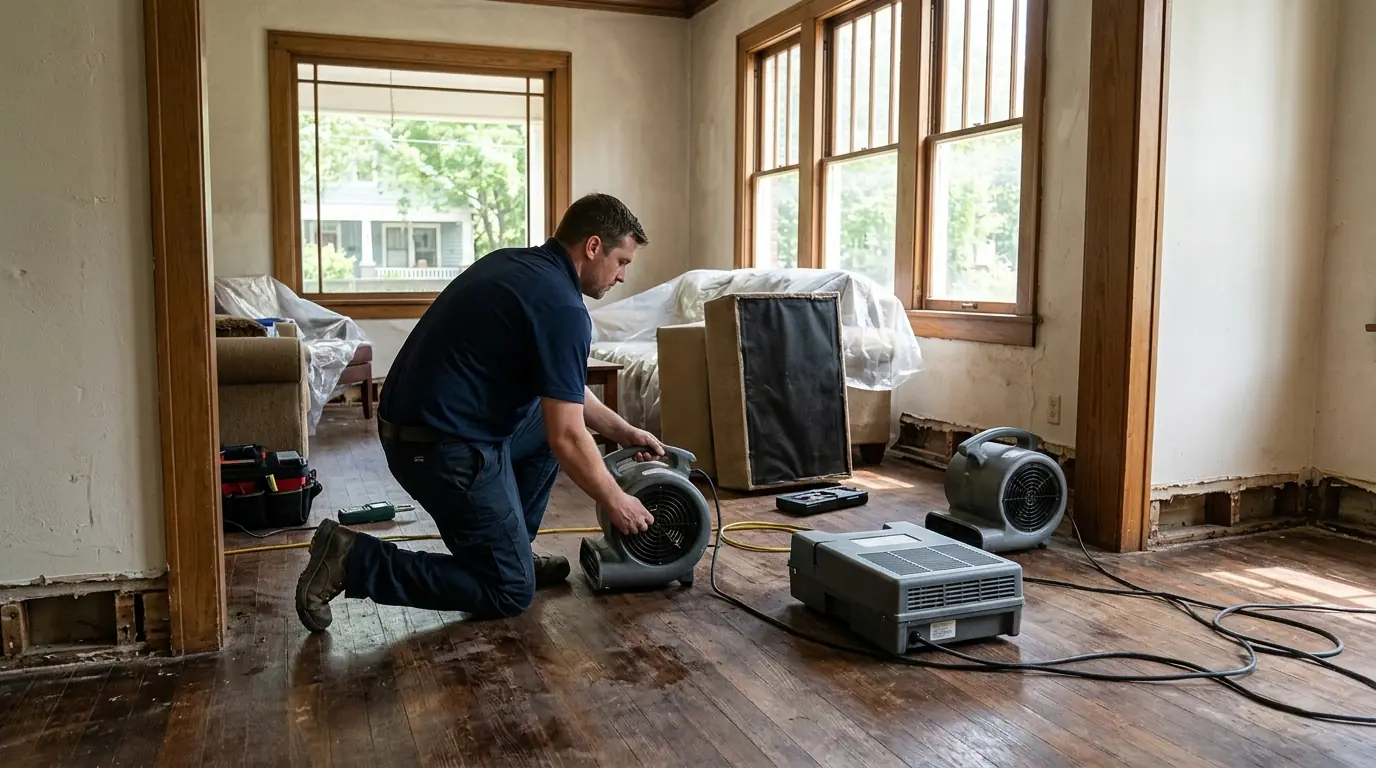
Mold here usually follows water: a slow leak, an AC overflow in a humid summer, a damp crawl space. That makes many Atlanta mold jobs two jobs in one, removing the growth and drying the structure behind it, and the drying is part of what keeps the mold from coming back.
A job that removes growth without fixing the moisture is the most expensive kind, because it gets paid for twice.
Is testing worth paying for?
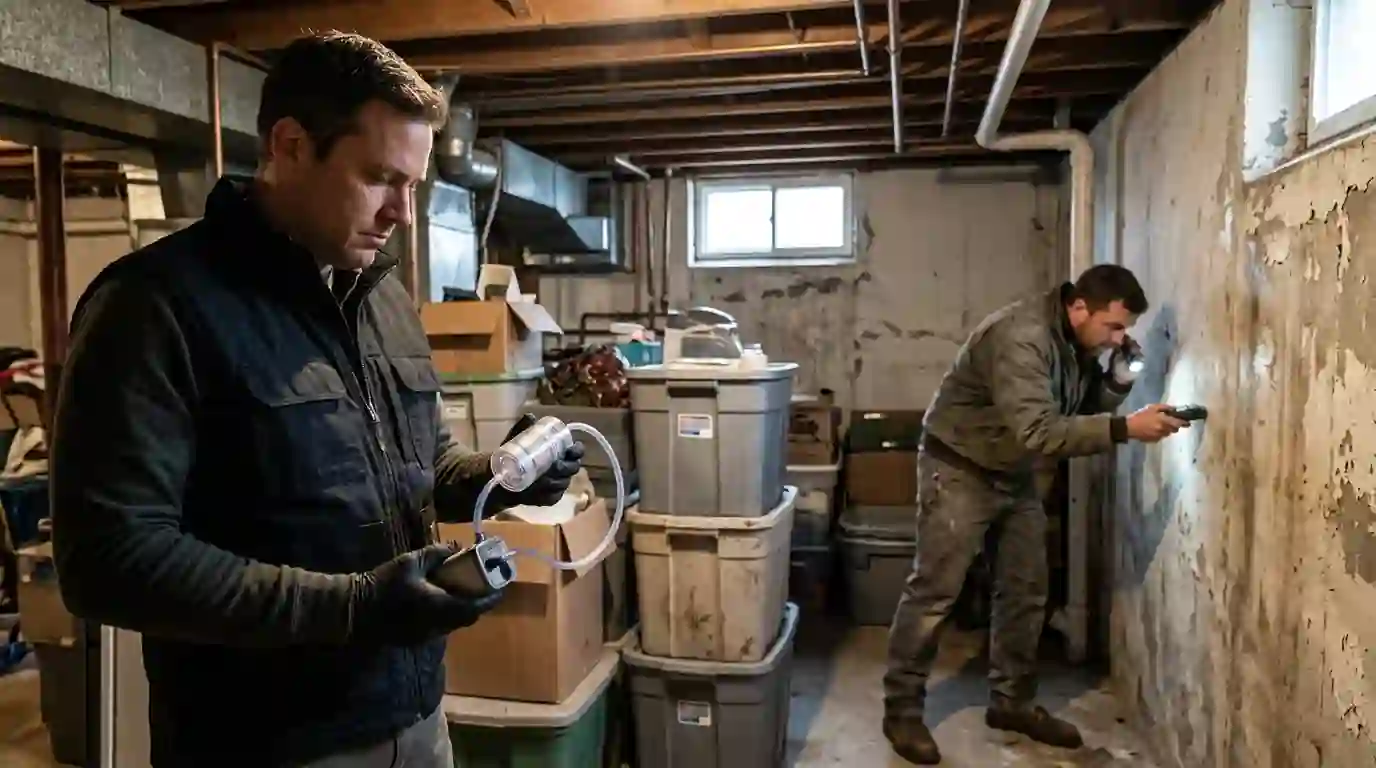
Not always. If you can see growth and you know the leak that caused it, testing adds cost without changing the plan. Testing helps when you smell mold but cannot find it, when health concerns make independent confirmation important, or when you want clearance testing after removal.
When testing is used, it is best done by an independent assessor rather than the company doing the removal, so nobody grades their own work. The mold remediation page explains how the removal itself works.
How to keep the bill down
A few habits keep a mold job small:
- Dry any leak within the first day or two
- Fix the moisture source before or during removal
- Keep the HVAC off if mold is near returns or ducts
- Do not disturb growth with fans or scrubbing before containment
- Get removal and rebuild priced separately
FAQ
Common questions
This Old House reports about $2,300 on average, with most homeowners paying $1,200 to $3,750.
Attics are harder to reach and contain, and the growth is often spread across a large area of decking.
Mold from a sudden covered leak may be covered, often with limits; mold from long-term moisture usually is not.
Small surface patches on hard surfaces, yes. Larger areas or growth inside walls need containment.
Usually not. Ask for removal and rebuild to be priced separately.

Talk to a person now
Need a real number for a mold job?
Call and we'll find the moisture, measure the growth and write up a scope.
Answered 24/7, holidays included.