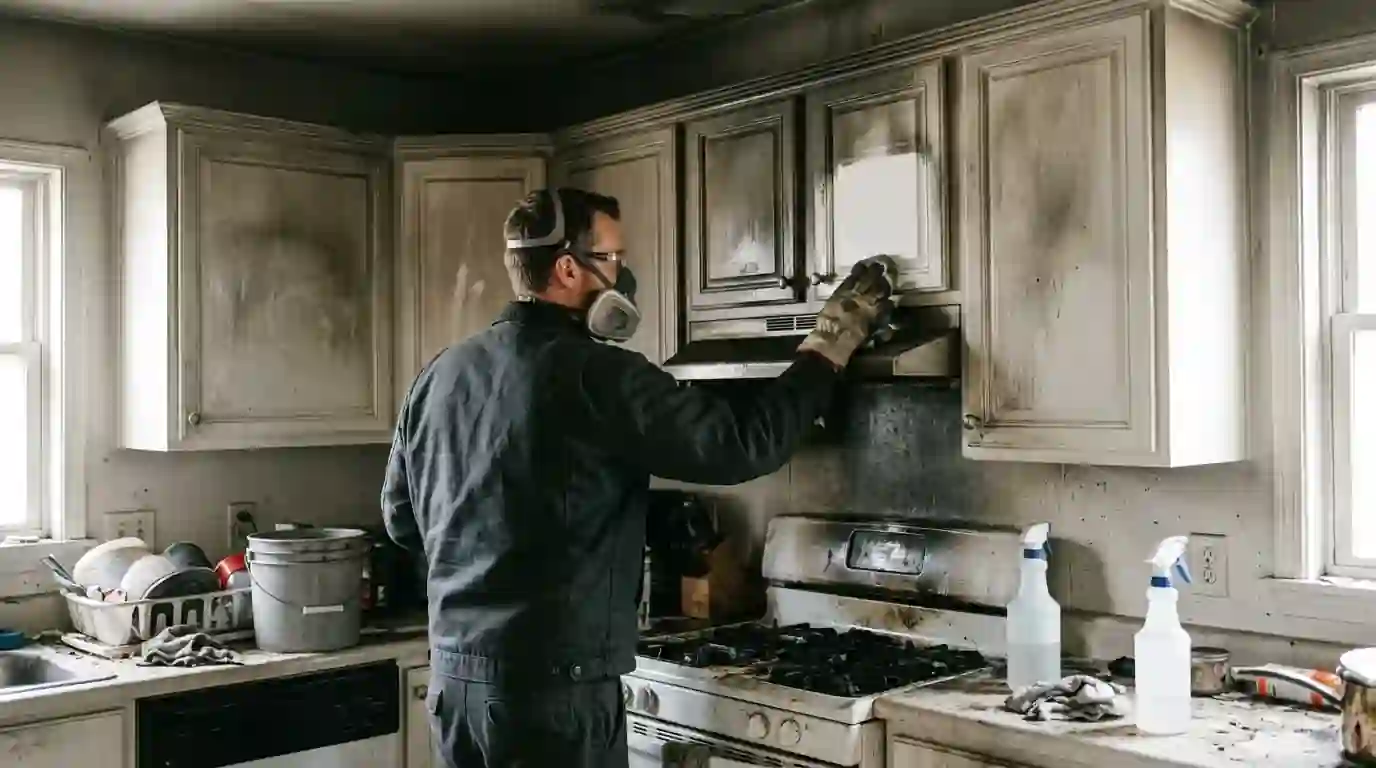
Dry soot, wet smoke and furnace puffback
Smoke and soot damage cleanup in Atlanta
Soot smears if you wipe it wrong, and it sets if you leave it. We identify the type of residue, remove it with dry sponges, HEPA vacuums and the right cleaners, and work from the top of each room down so clean surfaces stay clean.
Updated September 2026
- Phones
- Answered 24/7
- Job type
- Fire and smoke
- Service office
- Biscayne Dr NW, Atlanta
Short answer
Smoke and soot cleanup in Atlanta should start within a few days, before acidic residue discolors paint, etches metal and bonds to surfaces. We identify whether it is dry soot, wet smoke or oily puffback residue, HEPA vacuum and dry-sponge first, then clean with the right chemistry and treat the odor.
The job
Why soot needs the right cleaning method
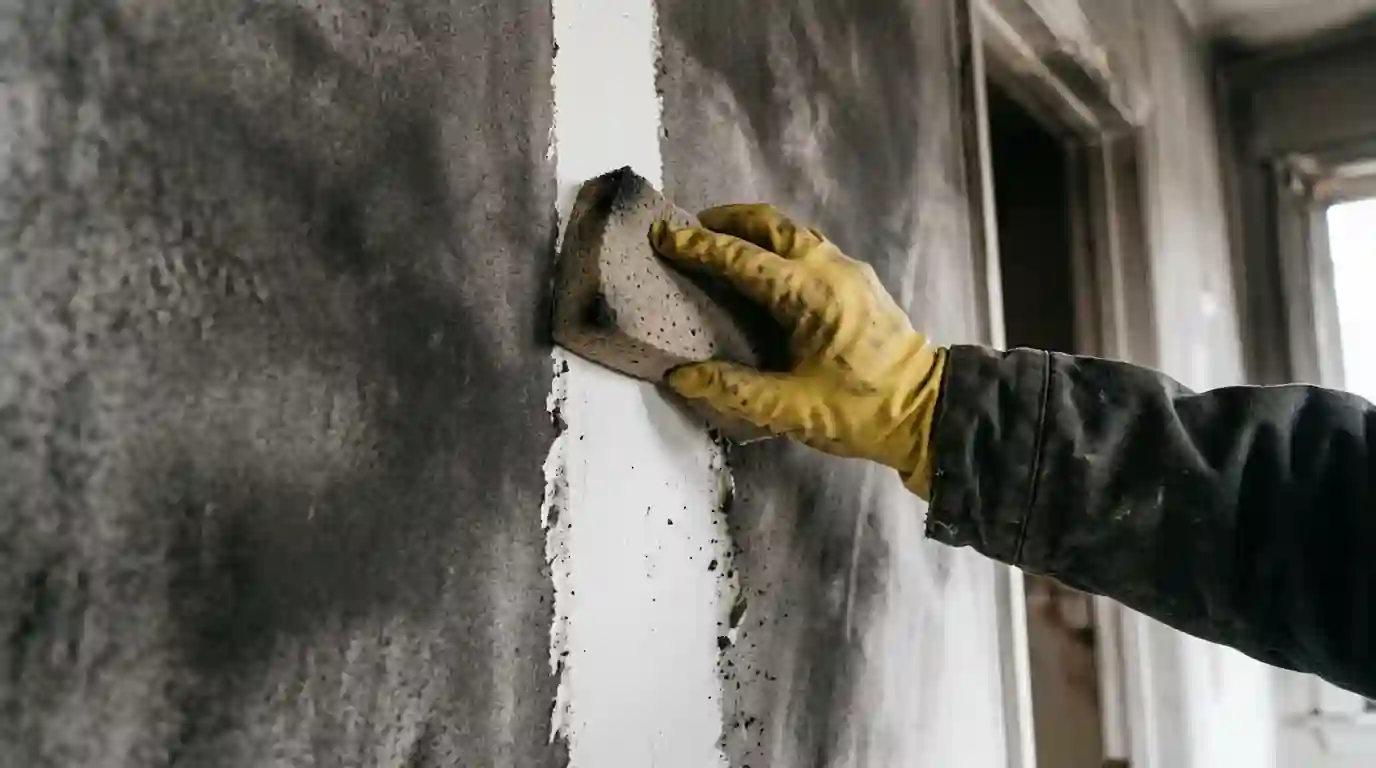
Soot is not just dirt. It is fine, often oily carbon that clings to surfaces, and it is slightly acidic. Wiping it with water or an all-purpose spray pushes it into paint and grout and leaves gray streaks that are harder to remove than the original soot.
So cleaning starts dry. HEPA vacuums and chemical dry-cleaning sponges lift loose soot without smearing. Then surfaces get the cleaner that matches the residue. Ceilings come first, then walls, then floors and contents, so nothing drips onto a finished surface.
Signs to look for
Signs soot has spread through the house
Gray film on walls and ceilings
A dull gray haze across surfaces is soot, even far from the fire.
Dark lines on carpet edges
Black lines along baseboards show soot carried by air currents.
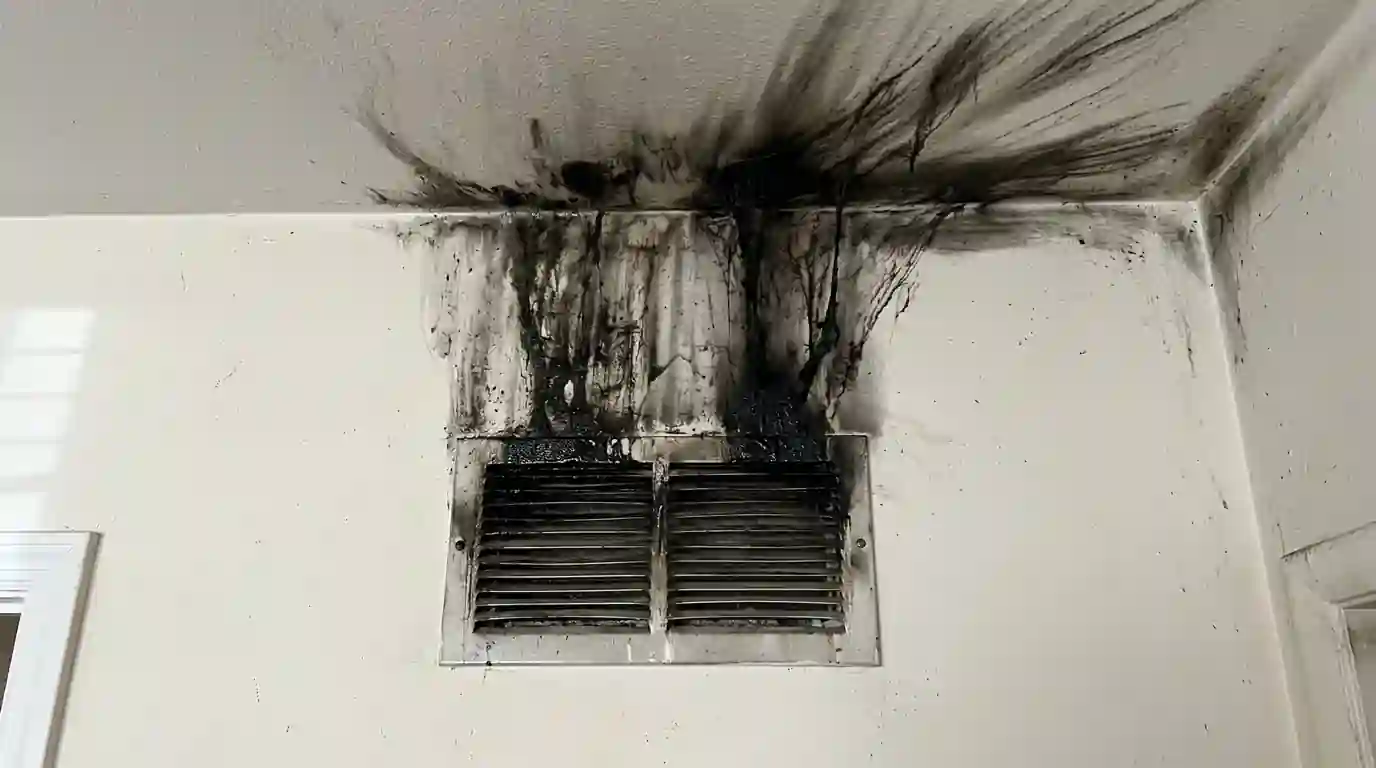
Streaks above vents
Soot patterns around registers mean it traveled through the ducts.
Yellowed plastics and paint
Discoloration shows residue is already setting in.
Smell that returns with heat
Odor that comes back on warm days means residue remains.
After you call
How we clean smoke and soot
- 01
Identify the residue
Dry soot, wet smoke or oily puffback.
- 02
Contain and filter
Air scrubbers run and the HVAC stays off.
- 03
Dry clean first
HEPA vacuuming and dry sponges lift loose soot.
- 04
Wet clean
Surfaces cleaned with matching chemistry, top down.
- 05
Odor and sealing
Odor treated; stains sealed before repainting.
Common case
Dry soot from fast fires
Fast, hot fires burning paper and wood leave dry, powdery soot. It is the easiest to clean, but it spreads easily too, drifting into every room and settling on horizontal surfaces and in fabric.
We HEPA vacuum and dry-sponge walls and ceilings, then wet-clean where needed. Soft goods are vacuumed and laundered or cleaned. Dry soot that reached the ductwork is cleaned out before the HVAC runs again, or it spreads straight back through the house. Electronics dusted with soot are unplugged and cleaned before they are powered on.
Common case
Wet smoke residue
Slow, smoldering fires burning plastics and synthetics leave wet, sticky residue with a strong odor. It smears badly and stains quickly, especially on paint and plastic.
Wet smoke needs degreasing cleaners and more labor, and some surfaces need sealing and repainting even after cleaning. Odor treatment is almost always part of the job, because this residue carries so much smell, and it is the residue that most often ends in dedicated odor removal. Vinyl blinds and plastic fixtures that took heavy wet smoke are often cheaper to replace than to clean.
Common case
Furnace puffback and candle soot
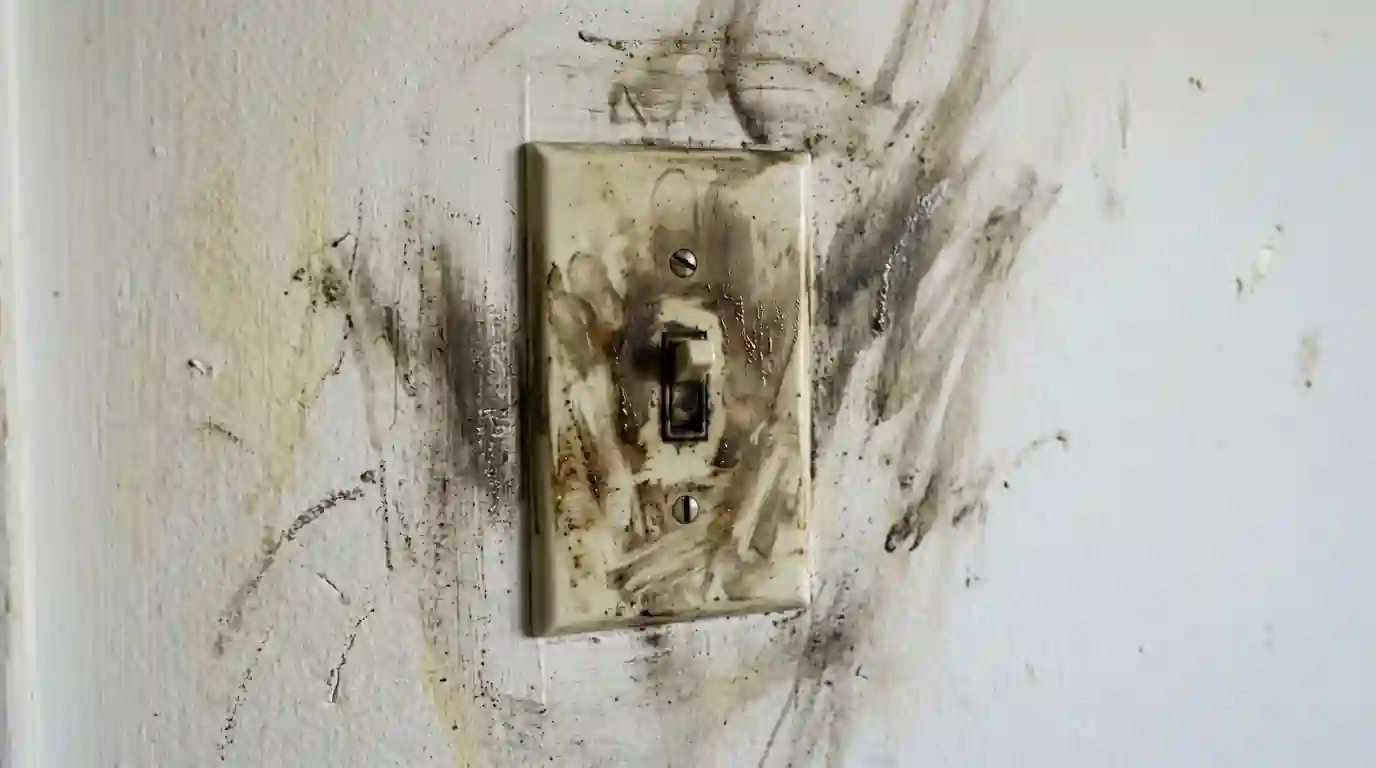
A puffback happens when an oil or gas furnace misfires and blows soot through the ductwork into every room at once. It leaves oily black strands and dust on ceilings, walls and furniture throughout the house.
Candles and wood stoves leave slower soot that shows up as dark lines on walls above heat sources, along ceiling framing and at carpet edges. Both are cleaned the same careful way, and a puffback always includes cleaning the ducts and servicing the furnace before it runs again.
In Atlanta
When soot shows up in Atlanta homes
In Atlanta, heating systems sit idle through a long warm season, and the first cold snap is when furnaces fire up after months of collecting dust. That first cold-weather start is the classic moment for a puffback, and candle soot tends to follow through the holidays. Whatever the source, the rule here is the same as anywhere: do not wipe it wet, keep the HVAC off and call before the residue sets.
Soot on the walls after a fire or puffback? Call before anyone starts wiping, and we'll tell you what to leave alone.
Call (943) 315-6150Cost
What moves the cost of smoke and soot cleanup
How far the residue spread and what kind it is set the price.
Rooms affected
Puffbacks and smoke often reach every room.
Residue type
Wet smoke and oily soot take more labor than dry soot.
Ceiling height
Tall ceilings and stairwells need staging.
Contents
Furniture, clothing and electronics add cleaning.
Sealing and paint
Stains that remain are sealed and repainted.
HomeAdvisor's 2025 data puts smoke damage cleanup at about $200 to $1,200 per room and larger soot removal jobs at $2,000 to $6,000. We price yours after we see how far it spread.
FAQ
Questions people ask about smoke and soot damage cleanup
Only with a dry chemical sponge on small areas. Water and household sprays smear it.
Fine soot irritates the lungs. Keep the HVAC off, ventilate on dry days and limit time in affected rooms.
Often not if soot is cleaned quickly. Stains that remain are sealed and repainted.
A furnace misfire that blows soot through the ducts into the house.
Soot from a sudden fire or puffback is commonly covered.
Talk to a person now
Soot on the walls and ceilings?
Don't wipe it yet. Call and we'll clean it the right way.
Answered 24/7, holidays included.