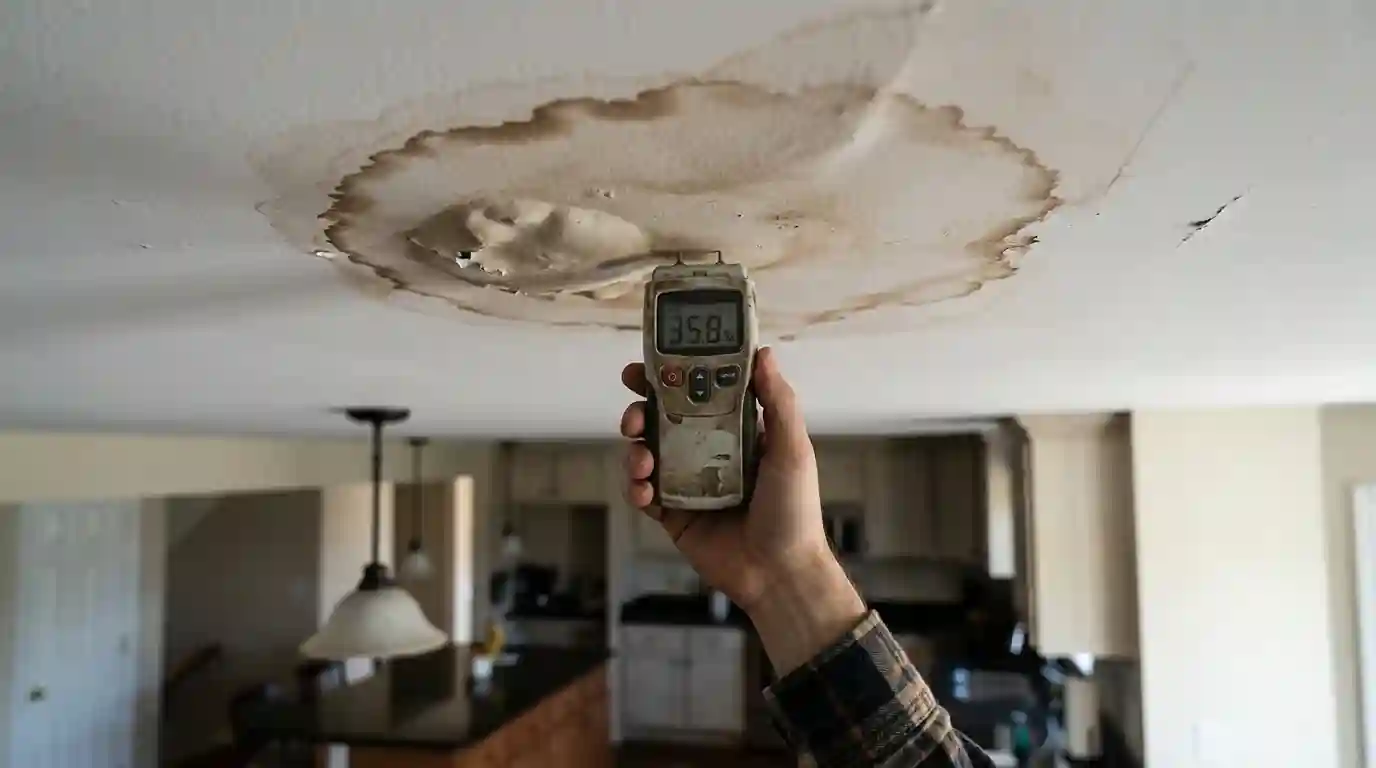
Main line and floor drain backups
Sewage backup cleanup in Atlanta homes
Sewage is black water, and it should not be mopped. Keep people and pets away, stop using water in the house and call. We remove the waste, pull the porous materials it touched, disinfect and dry.
Updated September 2026
- Phones
- Answered 24/7
- Job type
- Leaks by source
- Service office
- Biscayne Dr NW, Atlanta
Short answer
Sewage backup cleanup in Atlanta means treating everything the water touched as contaminated, so stop using drains, keep everyone away and call. We extract the sewage, remove porous materials like carpet, pad and lower drywall, disinfect hard surfaces and dry the area while a plumber clears the line.
The job
Why sewage is handled differently from other water
Water from a toilet supply line starts clean. Sewage never is. It carries bacteria and other pathogens, and anything porous it soaks into, like carpet, pad, insulation and the bottom of drywall, generally cannot be cleaned well enough to keep.
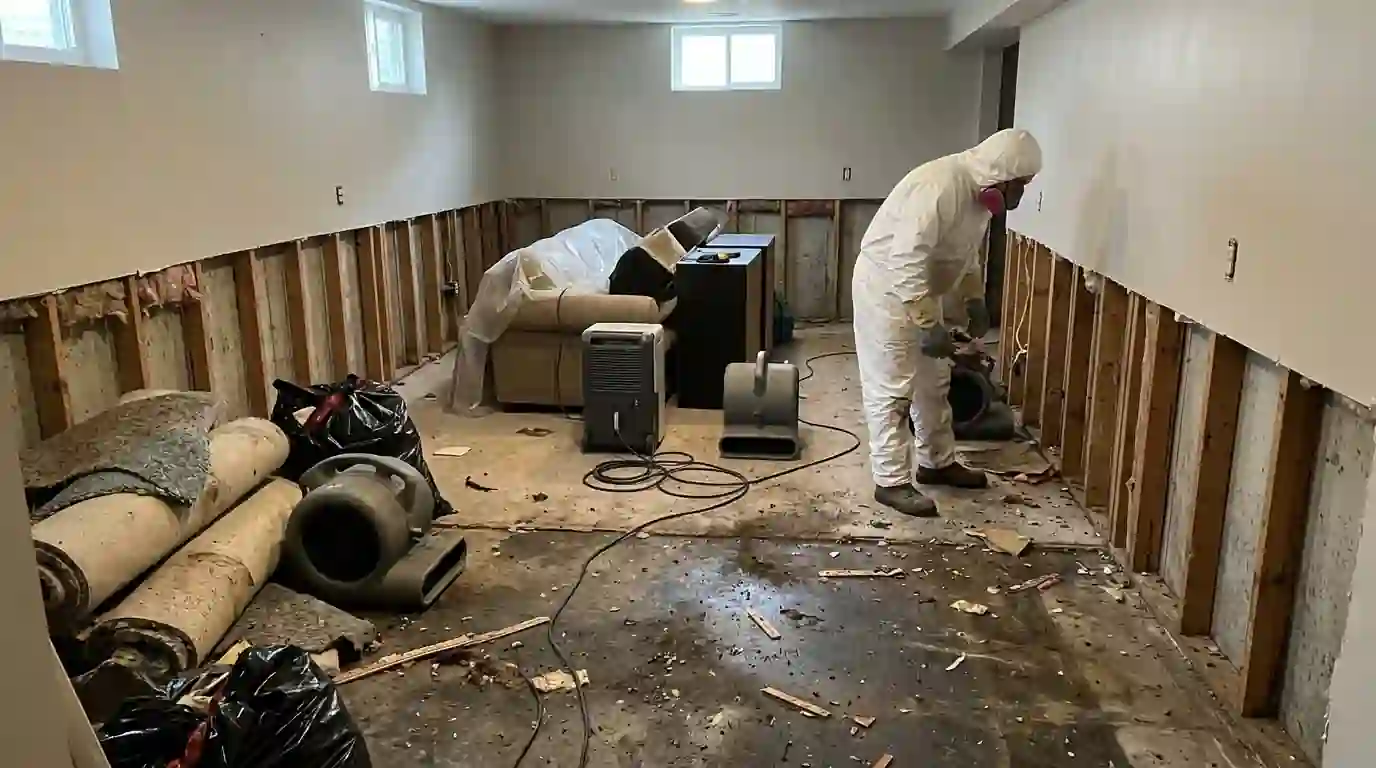
So the job leans toward removal. We set containment where needed, extract the waste, cut out contaminated materials, clean and disinfect what stays and dry it. A plumber clears or repairs the line; until then, running water in the house can push more sewage out.
Signs to look for
Signs a sewage backup is starting
Gurgling drains
Drains that gurgle when a toilet flushes can mean a partial blockage.
Every drain slow at once
When all the drains slow together, the main line is the likely problem.
Water at the lowest drain
Water rising in a floor drain or basement shower is an early backup.
Sewer smell indoors
A persistent odor near drains or floor vents points to a leak or backup.
Toilets bubbling
Bubbles in a toilet when a nearby drain runs point to main line trouble.
After you call
How a sewage backup cleanup runs
- 01
Stop and isolate
Water use stops and the area is closed off.
- 02
Extract
Sewage is extracted and contained.
- 03
Remove porous materials
Carpet, pad and lower drywall it touched come out.
- 04
Clean and disinfect
Hard surfaces are cleaned and treated.
- 05
Dry and verify
Drying runs until the readings are normal.
Common case
Main line backups
When the main sewer line clogs, sewage comes up at the lowest drain in the house, usually a basement floor drain, a shower or a first-floor toilet. Every time someone upstairs runs water, more comes out.
We tell you to stop using water right away, get the line cleared by a plumber and start removal. Tree roots, grease and collapsed pipe are common causes, and the plumber's camera will show which. Until then, keep the lowest bathroom closed off and keep everyone out of the wet area.
Common case
Basement floor drain backups
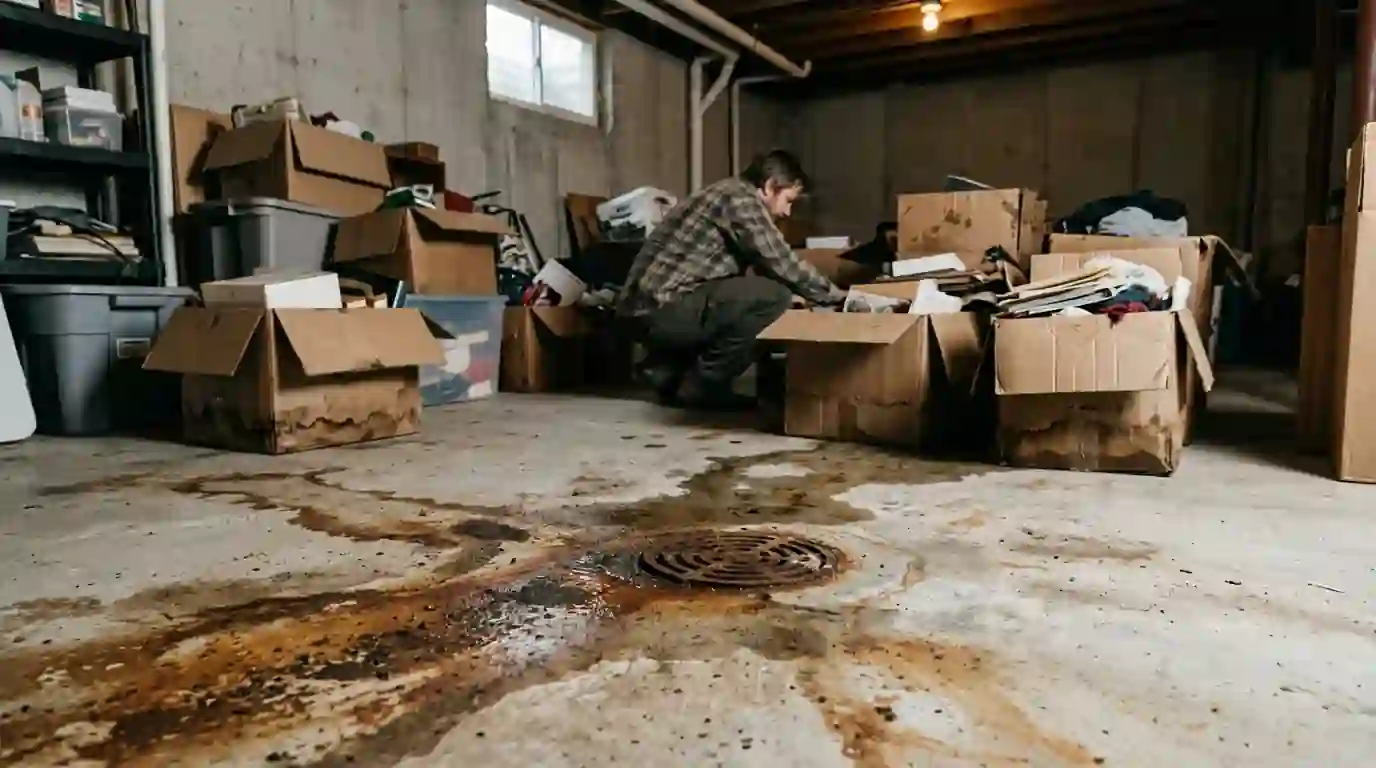
Floor drains in basements and garages are often the first place sewage appears, especially during heavy rain or a main line clog. The water spreads across the slab and wicks into carpet, drywall and anything stored on the floor.
Stored boxes and furniture that got wet need sorting: hard items can often be cleaned and disinfected, while cardboard, fabric and upholstered pieces usually cannot. We list and photograph everything that is removed for your records and your adjuster. Shelving and storage bins that sat in the water get cleaned before anything goes back on them.
Common case
Sewage under a slab or crawl space
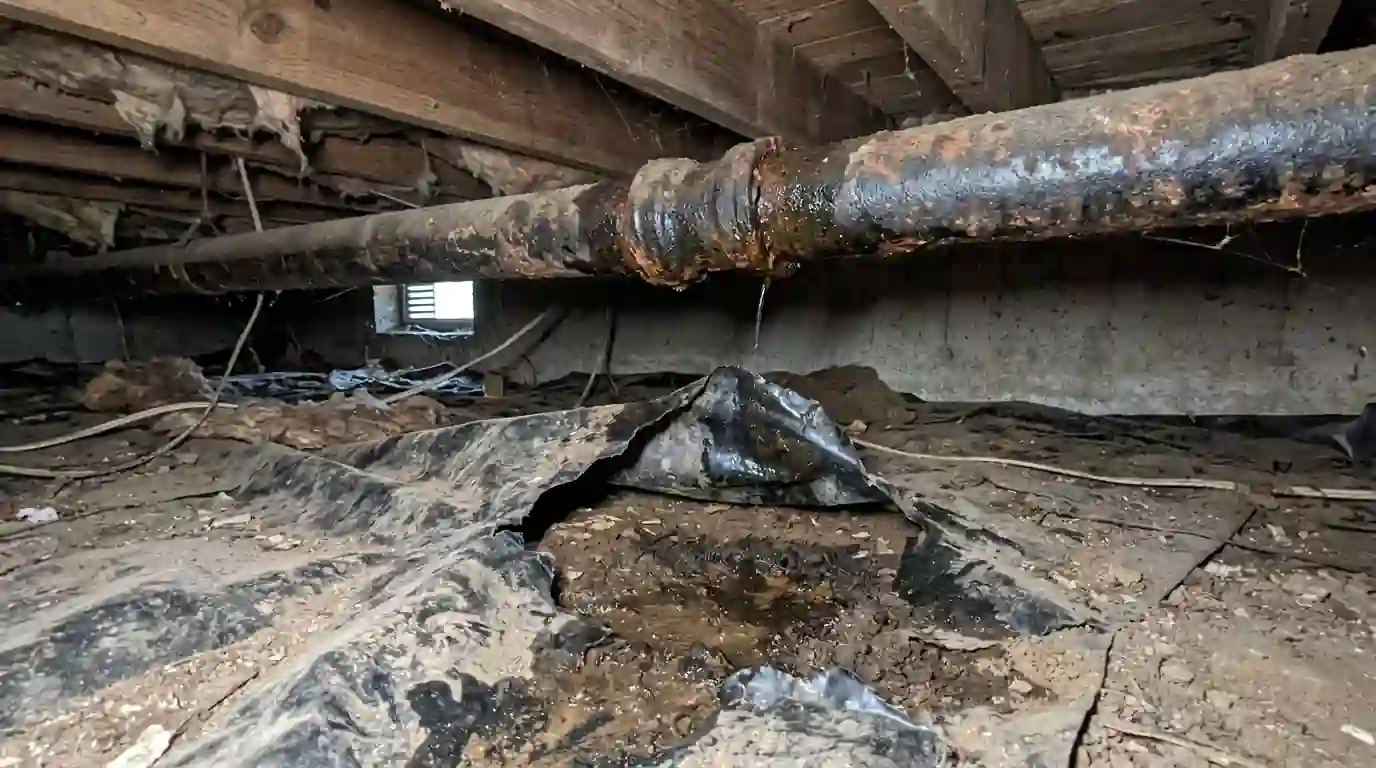
A broken drain line under the house can leak sewage into a crawl space for weeks. The first sign is often a smell in the rooms above or flies near floor vents.
We remove the contaminated vapor barrier, clean and treat the area and check the framing and insulation above it. The plumber repairs the broken line, and a new vapor barrier goes down once the area is clean and dry. Odor in the rooms above usually fades within days of the cleanup.
In Atlanta
Sewer lines under older Atlanta houses
Many intown houses date to the 1910s through 1930, from the bungalows of Candler Park to Morningside, which built out through the 1920s. Sewer laterals from that era were commonly clay or cast iron, and roots find their way into the joints over time. When a basement drain in one of those houses backs up, a camera check of the lateral is worth doing before the finished space is rebuilt.
Before you start
What you can do, and what you should not
A few steps help. Cleaning sewage yourself usually does not.
Do this now
- Stop using water and flushing
- Keep children and pets away
- Turn off power to the area if water reached outlets
- Call a plumber to clear the line
Leave this to us
- Mopping or shop-vac cleanup of sewage
- Keeping wet carpet or pad
- Bleach on porous materials
- Running fans before the area is cleaned
Cost
What a sewage backup cleanup costs
Contamination drives the price more than size.
Area affected
A floor drain overflow on bare concrete is smaller than a finished basement.
Porous materials
Carpet, pad, drywall and insulation that sewage touched come out.
Contents
Stored items need sorting, cleaning or disposal.
Containment
Finished spaces need containment to keep contamination in one area.
Rebuild
Replacing drywall, flooring and trim adds to the cleanup.
Fixr lists typical water damage restoration between $1,200 and $5,000, with a basement sewer backup that needs drywall and hardwood replaced reaching as high as $50,000. We price yours after we see it.
FAQ
Questions people ask about sewage backup cleanup
Usually, if the backup is confined to an area you can close off and no one uses the drains. Anyone with health concerns should stay away from it.
Generally no. Carpet and pad that soaked up sewage are removed and replaced.
Often only with a sewer backup endorsement. Check your policy; we document the damage either way.
No, a plumber does. We handle the cleanup and drying once the line is cleared.
Removal and disinfection usually take a day or two, then drying and rebuilding follow.
Talk to a person now
Sewage coming up through a drain?
Stop using water and call now. We'll tell you what to do until we arrive.
Answered 24/7, holidays included.