Fogging, hydroxyl, ozone and sealing
Smoke odor removal in Atlanta homes
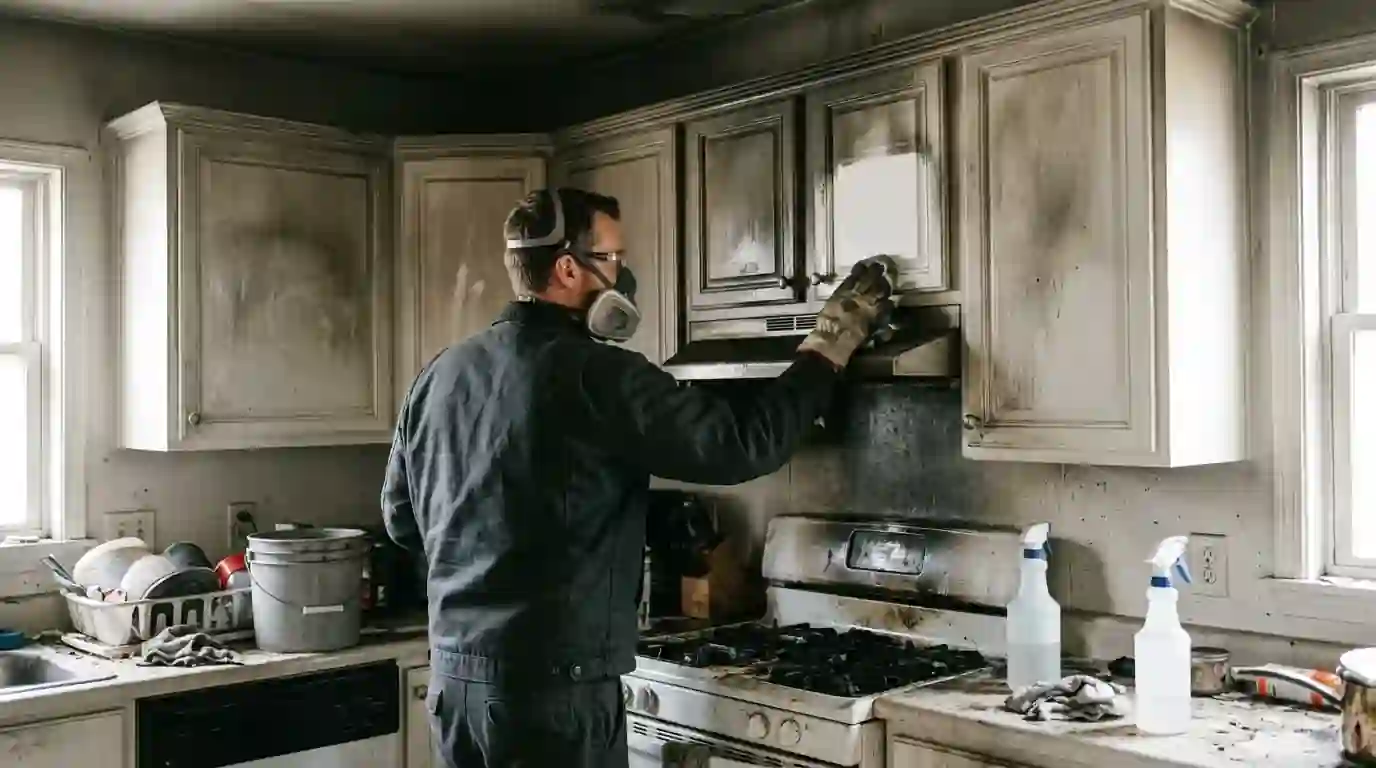
Smoke smell lasts because residue is still somewhere in the house. We find and clean it first, then treat the air and the structure and seal what cannot be cleaned, so the smell is gone rather than masked.
Updated September 2026
- Phones
- Answered 24/7
- Job type
- Fire and smoke
- Service office
- Biscayne Dr NW, Atlanta
Short answer
Smoke odor removal in Atlanta works only after the soot and residue causing the smell are cleaned off surfaces, out of ducts and out of soft goods. Then we treat the air and structure with thermal fogging, hydroxyl or ozone and seal charred framing, so the odor does not return on the first humid day.
The job
Why smoke smell keeps coming back
Smoke particles are tiny and slightly sticky. They settle into drywall paper, wood grain, insulation, carpet, fabric and ductwork, and they release odor again whenever heat or humidity rises. That is why a house can smell fine in the morning and bad by the afternoon.
Air fresheners and candles cover the smell for a day. Removing it means cleaning the residue, treating what remains with a method that reaches into porous materials and sealing anything too charred or porous to clean. The order matters more than any single product.
Your options
Which odor treatment fits
| Method | Best for | House occupied? | Limits |
|---|---|---|---|
| Cleaning | Every smoke job, always first | Yes | Cannot reach inside framing or insulation |
| Thermal fogging | Odor pushed deep into materials | No, empty during and after | Needs airing out afterward |
| Hydroxyl | Lingering odor, occupied homes | Yes | Slower, runs for days |
| Ozone | Heavy odor, empty homes | No, harmful to breathe | Can damage rubber and some fabrics |
| Sealing | Charred framing and decking | Yes | Only for surfaces being covered |
Cost
What moves the cost of smoke odor removal
How much residue is left and how porous the house is drive the price.
Residue left
Cleaning comes first and is usually the biggest part.
Treatment method
Fogging, hydroxyl and ozone differ in time and cost.
Framing to seal
Charred framing adds sealing before rebuilding.
Soft goods
Clothing, furniture and drapes need separate treatment.
Ducts
Smoke in the ductwork needs cleaning or replacement.
HomeAdvisor's 2025 fire data lists thermal fogging at about $200 to $600 and ozone treatment at $400 to $800, on top of cleaning. We price yours after we find the sources.
Common case
Thermal fogging
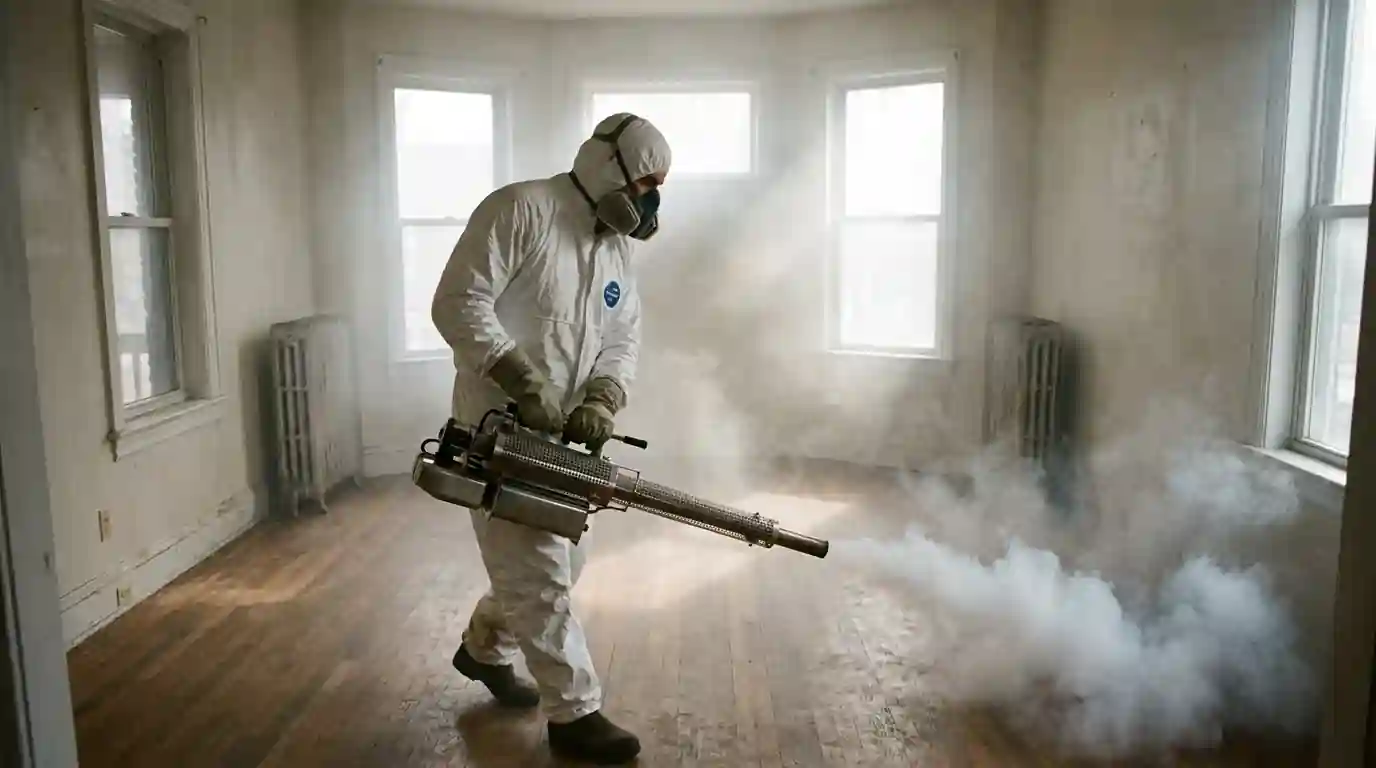
A thermal fogger heats a deodorizing solution into a fine fog that behaves much like the original smoke, drifting into the same cracks, cavities and fibers. It pairs with odor molecules where they sit instead of floating above them.
The house is empty during fogging and aired out afterward. It works best after cleaning, not instead of it, and on odor from fast, hot fires that pushed particles deep into materials. It is one of the tools we reach for most after kitchen and room fires.
Common case
Hydroxyl and ozone treatment
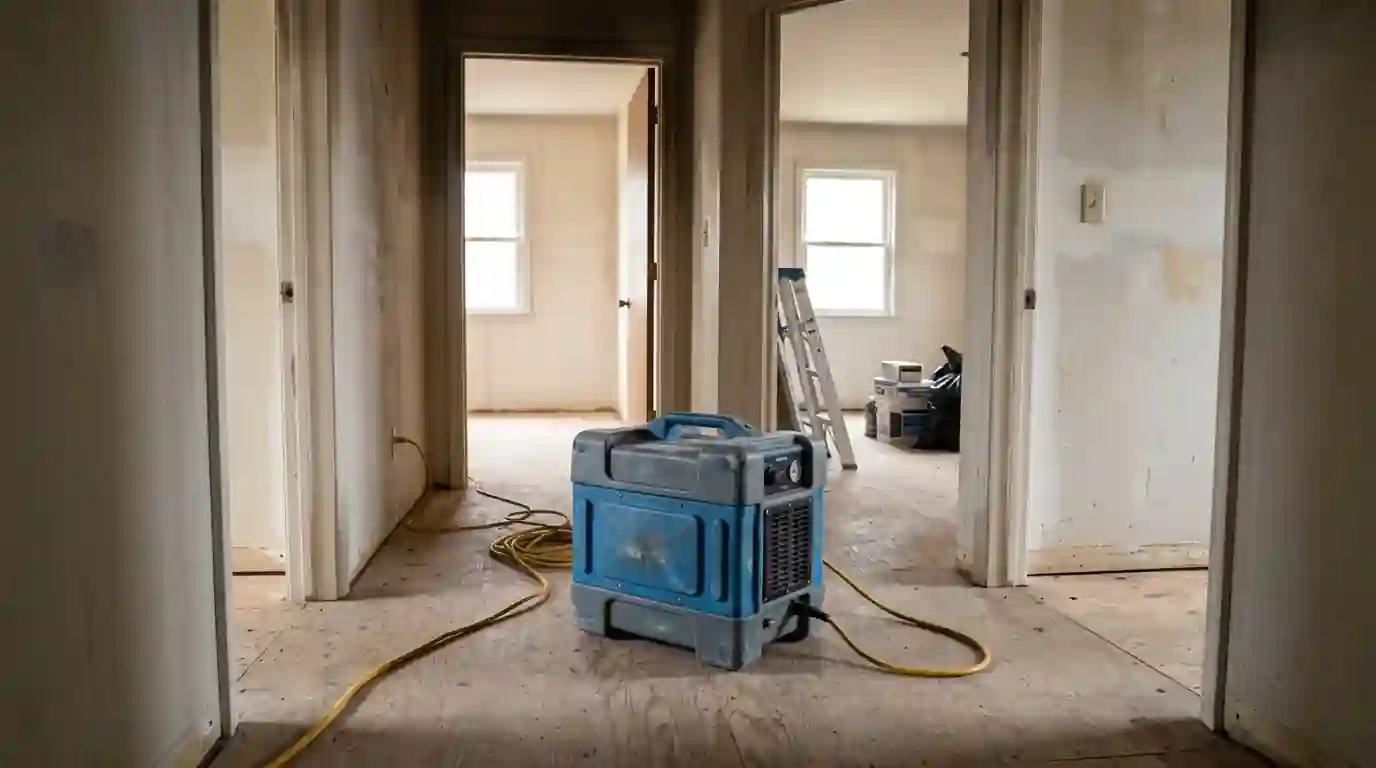
Ozone and hydroxyl generators break down odor molecules in the air and on surfaces. Ozone works fast but needs an empty house, because it is harmful to breathe and can damage rubber and some fabrics. Hydroxyl works more slowly but can run while people are home.
We choose between them based on how heavy the odor is, what is in the house and whether you are living there during the work. Neither replaces cleaning; both finish the job once the residue is gone.
Common case
Sealing charred framing
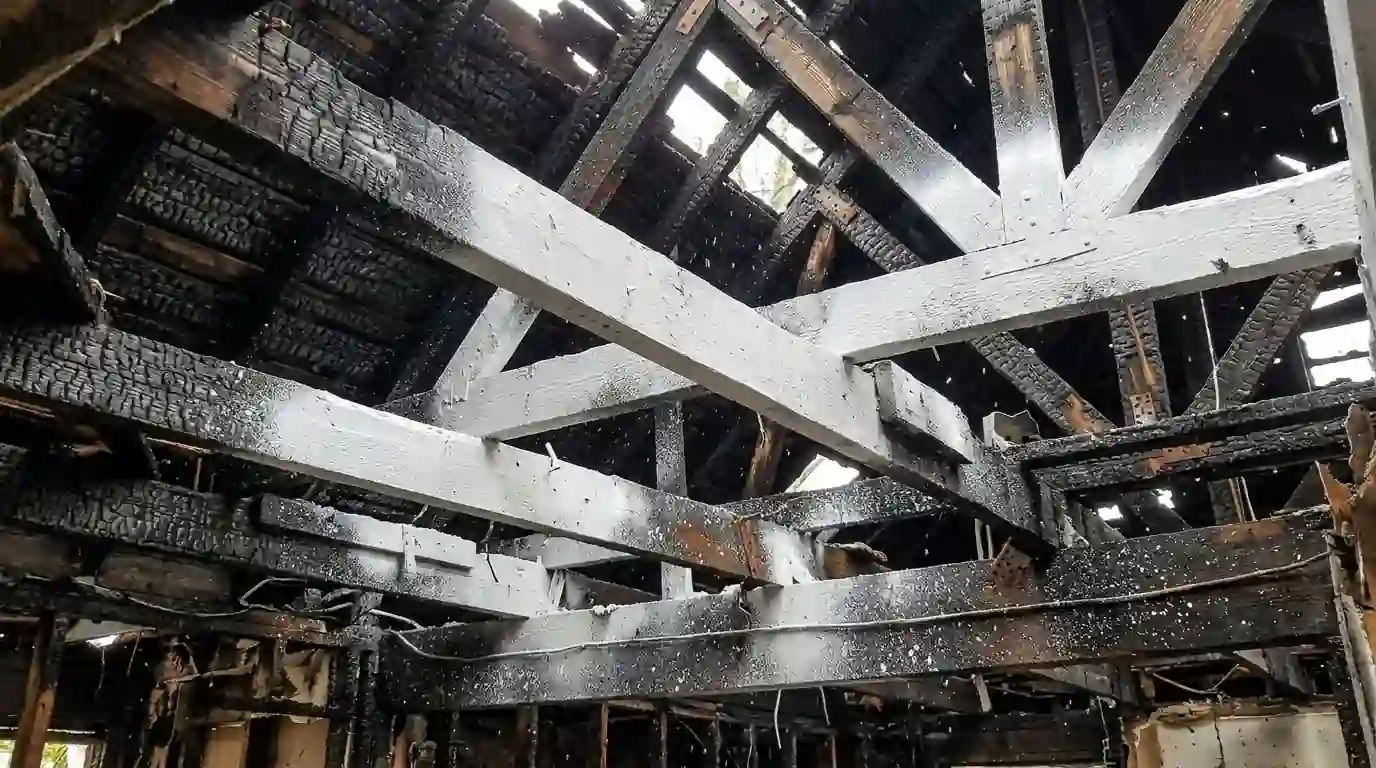
Charred studs, joists and roof decking hold odor deep in the wood where no cleaning reaches. After the loose char is removed, the framing is sealed with an odor-blocking primer before insulation and drywall go back.
Skipping this step is the most common reason a rebuilt house still smells like smoke. The sealer locks in whatever odor is left in the wood and gives the new finishes a clean surface. We check for odor before sealing and again before the walls close.
Before you start
What helps, and what makes it worse
Helps
- Keeping the HVAC off until the ducts are checked
- Changing the HVAC filter
- Bagging smoky clothes for cleaning
- Airing rooms on dry, cool days
Makes it worse
- Painting over smoke-stained walls
- Covering it with air fresheners or candles
- Running a home ozone machine with people inside
- Washing soot with water before it is vacuumed
After you call
How we remove smoke odor
- 01
Find the sources
We locate residue on surfaces, in ducts and in soft goods.
- 02
Clean first
Soot and residue come off everything that can be cleaned.
- 03
Treat the air
Fogging, hydroxyl or ozone, chosen for the job.
- 04
Seal what remains
Charred framing is sealed before it is covered.
- 05
Check again
We test for odor under heat and humidity before calling it done.
In Atlanta
Smoke odor in older Atlanta houses
Neighborhoods like Morningside built out in the 1920s, and houses of that age are full of materials that absorb smoke: plaster, old softwood trim, unsealed attics and original floors. Smoke odor settles deeper into those than into new drywall and primed trim. In an older house we plan for more sealing and a longer treatment, and we test for odor on warm, humid days, when old wood gives it back.
FAQ
Questions people ask about smoke odor removal
Yes, once the residue is removed and what remains is treated and sealed. Covering it only delays it.
Not while people or pets are inside. It is used only in empty houses, which are aired out before you return.
Heat and humidity release odor from residue still in porous materials.
Often, with proper laundering or dry cleaning and odor treatment.
After a covered fire, odor treatment is commonly part of the claim.
Talk to a person now
House still smells like smoke?
Call and we'll find where the odor is coming from and how to remove it.
Answered 24/7, holidays included.