Seasonal guide
Getting Atlanta pipes through a hard freeze
Atlanta gets only a few hard freezes, which is exactly why so many pipes are unprotected when one comes. Here is what to do before, during and after a cold snap.
- Written by
- Maxine Colburn
- Role
- Restoration Guides Editor
- Updated
- September 2026
Short answer
To get Atlanta pipes through a hard freeze, insulate pipes in crawl spaces, attics and exterior walls, disconnect garden hoses, open cabinet doors on exterior walls, keep the heat on and drip faucets, especially in houses with crawl spaces. When it thaws, watch for leaks; most pipes split while frozen and only leak once they warm up.
By Maxine Colburn, Restoration Guides EditorUpdated
Why Atlanta pipes are vulnerable
Builders in colder climates run pipes inside heated space and insulate them as a matter of course. In the Atlanta area, pipes often run through crawl spaces, unheated garages, exterior walls and attics, because a long hard freeze is uncommon here.
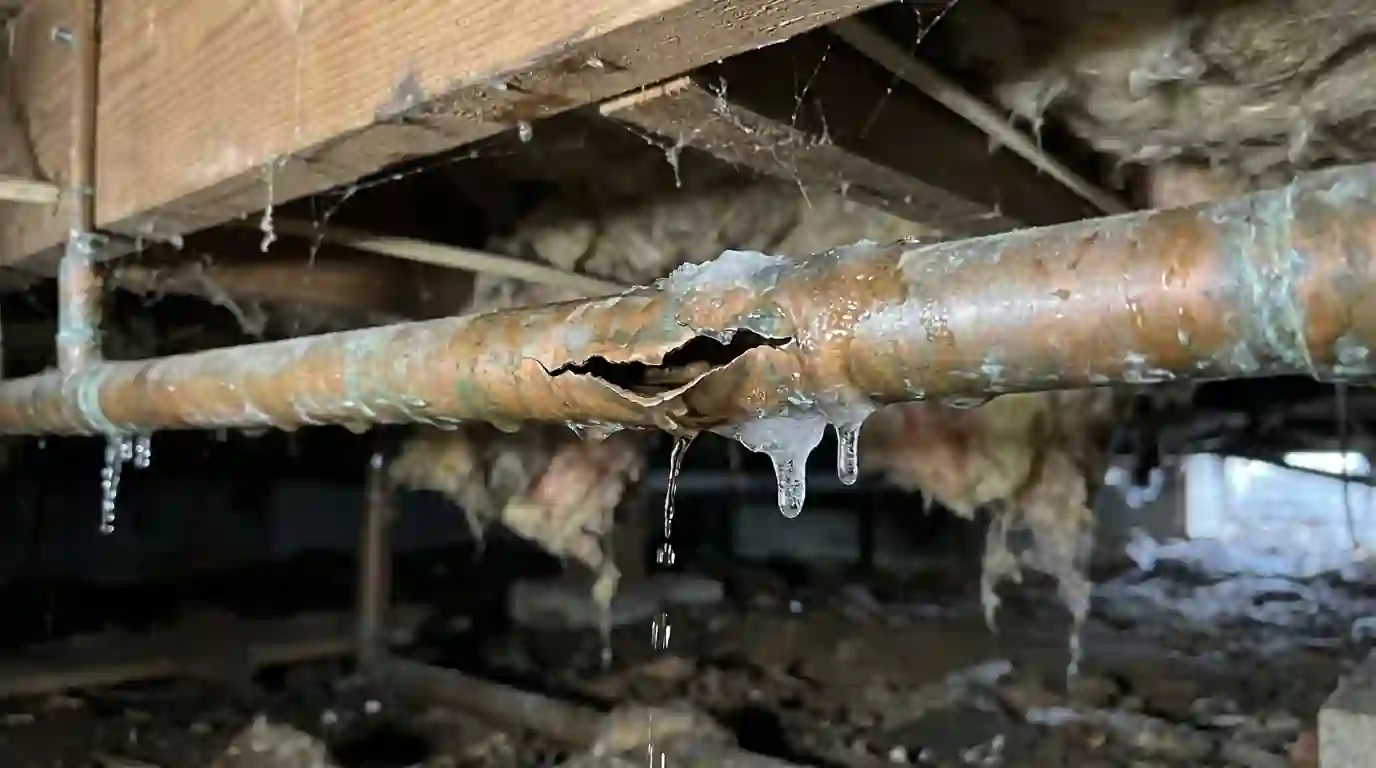
When one does arrive, those pipes are exposed. Water expands as it freezes, pressure builds between the ice and a closed faucet, and the pipe splits, often at a fitting or a bend.
Before the freeze
A few hours of preparation before a cold snap prevents most breaks:
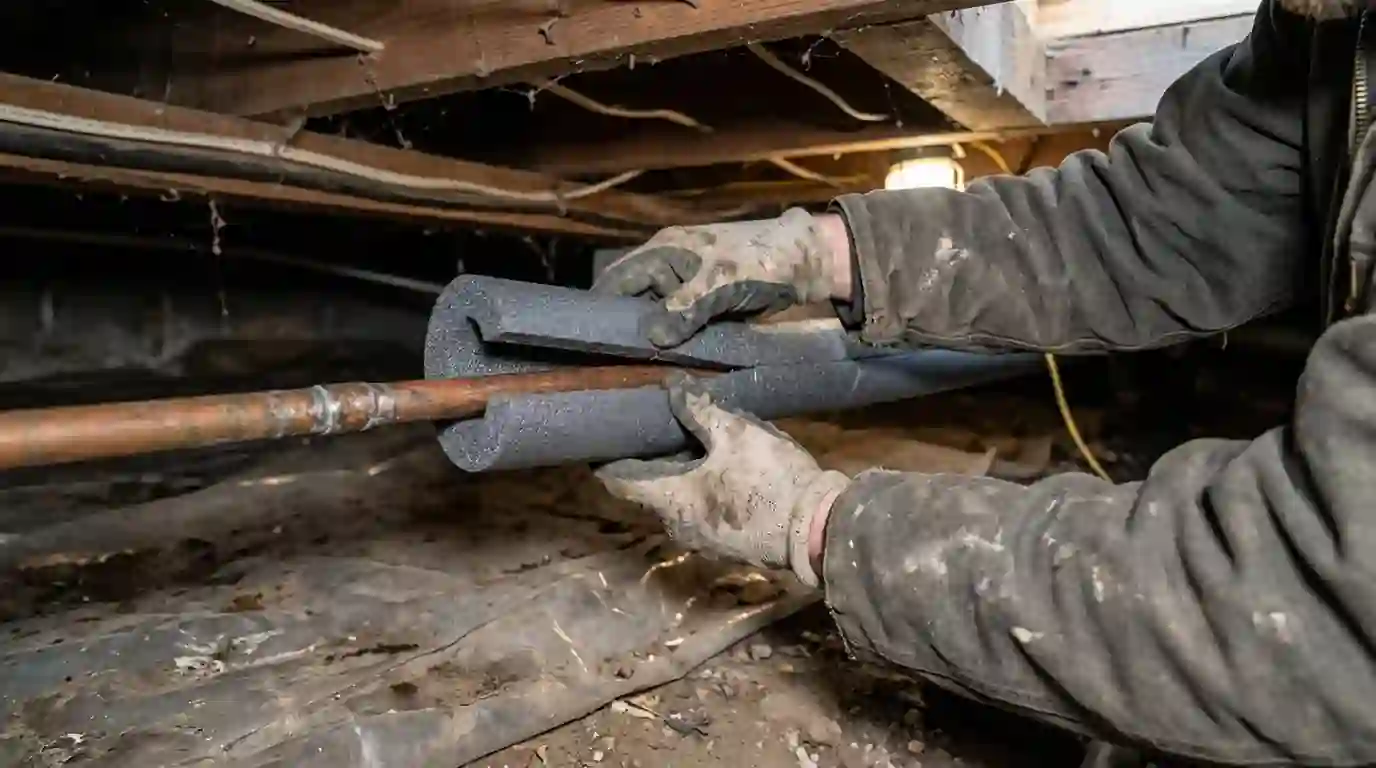
- Insulate exposed pipes in crawl spaces, attics and garages with foam sleeves
- Close crawl space vents and foundation openings for the cold snap
- Disconnect garden hoses and cover outdoor spigots
- Know where your main shut-off is and make sure it turns
- If you will be away, keep the heat on at a moderate setting
During the freeze
Keep the heat on day and night, even if you usually turn it down. Open cabinet doors under sinks on exterior walls so warm air reaches the pipes. Let faucets drip on the coldest nights; moving water is harder to freeze, and an open faucet relieves pressure if ice forms.
Houses with crawl spaces are the most exposed, which is why freeze guidance for the area tells those owners to drip every faucet, hot and cold, during a hard freeze.
If a pipe freezes
If a faucet runs weak or not at all during a freeze, a pipe is likely frozen. Leave the faucet open and warm the pipe gently with a hair dryer, warm towels or a space heater kept well away from anything flammable. Never use an open flame.
If you cannot find the frozen section, or it is inside a wall, call a plumber. Thawing a split pipe without the main shut off can release a lot of water at once.
When it thaws
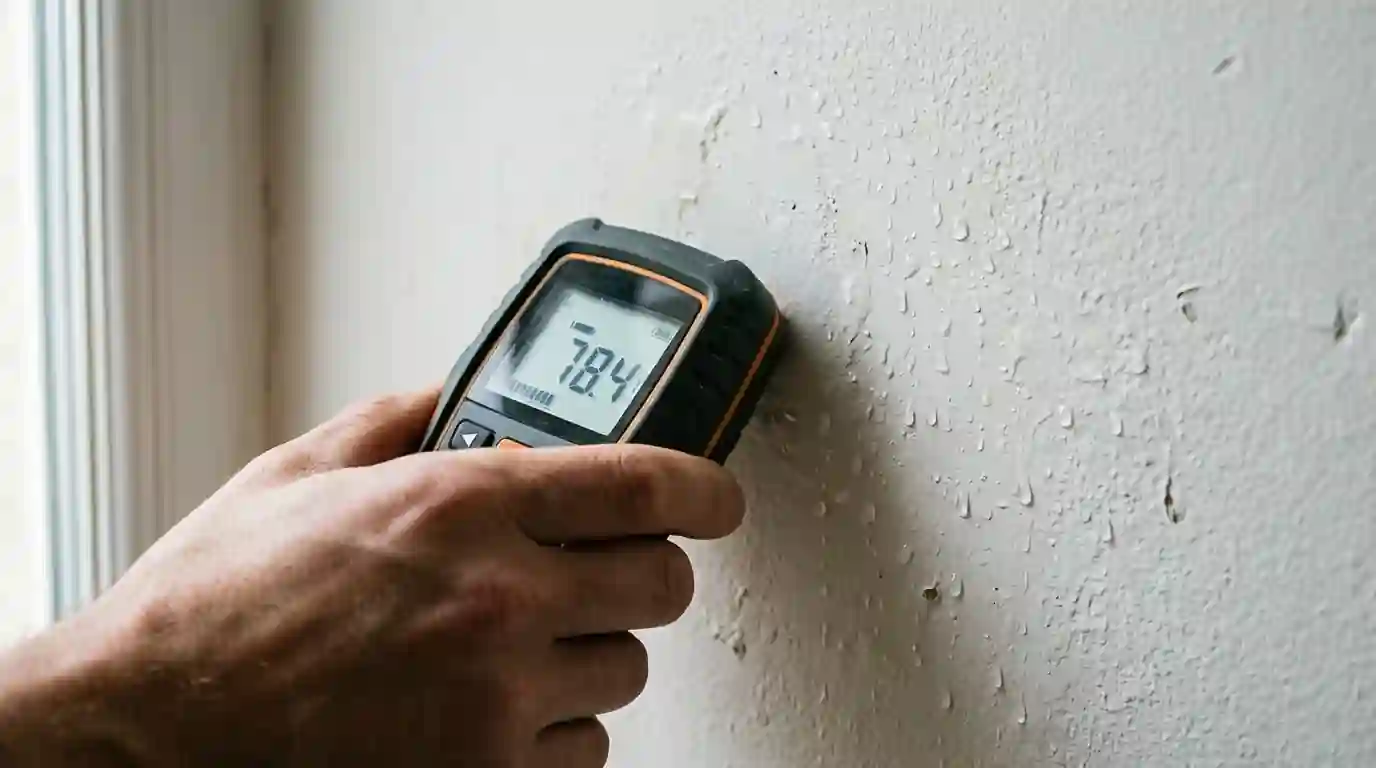
The damage often shows up after the cold passes. Check under sinks, in the crawl space, in the garage and on ceilings below upstairs bathrooms as temperatures rise. A hissing sound, a water meter that moves with every tap closed or a new stain on a ceiling all point to a break.
If you find one, shut the main, then call a plumber for the pipe and a restoration crew for the water. Our first-hour guide and the burst pipe water damage page cover what happens next.
FAQ
Common questions
Both, on faucets along exterior walls and in houses with crawl spaces.
Yes, as long as cleaning products are out of reach of children and pets.
When temperatures stay well below freezing for hours, especially with wind and overnight.
If you are leaving the house, shutting the main and draining the lines is a good option.
A sudden burst is commonly covered, but some policies limit coverage if heat was not maintained.
Talk to a person now
Pipe burst in the cold?
Shut the main and call. We'll get the water out and the drying started.
Answered 24/7, holidays included.