Insurance guide
How to document water or fire damage for an insurance claim
The claim is only as good as the record behind it. Here is what to photograph, what to keep and what adjusters usually ask for after a water or fire loss.
- Written by
- Maxine Colburn
- Role
- Restoration Guides Editor
- Updated
- September 2026
Short answer
To document water or fire damage for an insurance claim, photograph and video every affected room before anything is moved, keep damaged items and failed parts until the adjuster sees them, write down when it happened and what you did, save every receipt and get moisture readings and a written scope from your restoration company. Report the loss promptly and keep copies.
By Maxine Colburn, Restoration Guides EditorUpdated
Start with photos and video
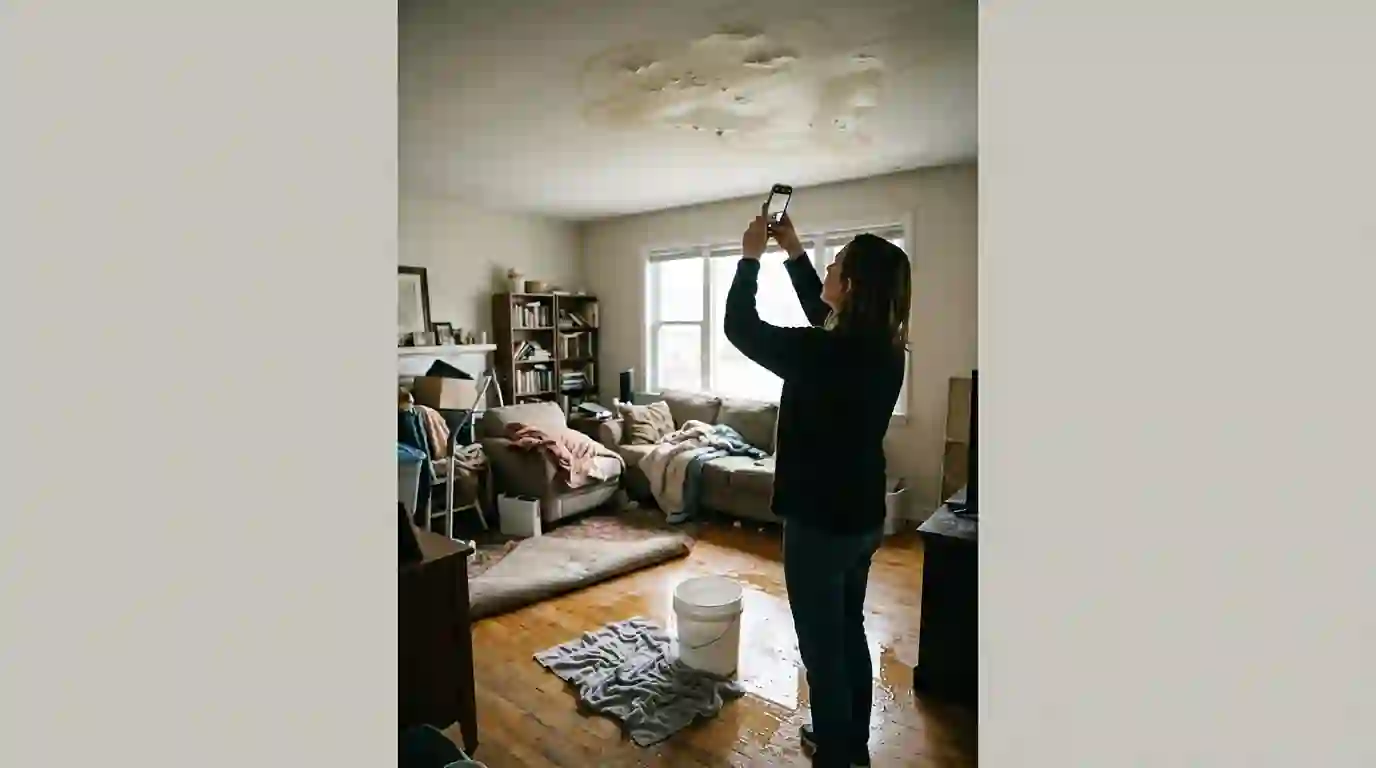
Before anything is moved or thrown out, walk through the house with your phone. Take wide shots of each room, then close-ups of the damage: water lines on walls, stains on ceilings, soot on surfaces, damaged floors and belongings. A slow video narrating what you see is quick and hard to argue with.
Include rooms that only got smoke or a little water. Those are the ones that get missed later.
Keep what failed, and what you remove
Physical evidence answers questions that photos cannot:
- The burst pipe section, failed hose or fitting
- Samples of damaged carpet, pad or flooring
- Damaged items you plan to throw away, until they are photographed and listed
- Model and serial numbers of damaged appliances and electronics
Write down the timeline
Note when you found the damage, when it likely started, what you did to stop it and who you called. If a plumber or the fire department came, write down their names and keep their paperwork.
Most policies require you to report a loss promptly and to take reasonable steps to prevent further damage. A simple dated list shows you did both.
What your restoration company should give you
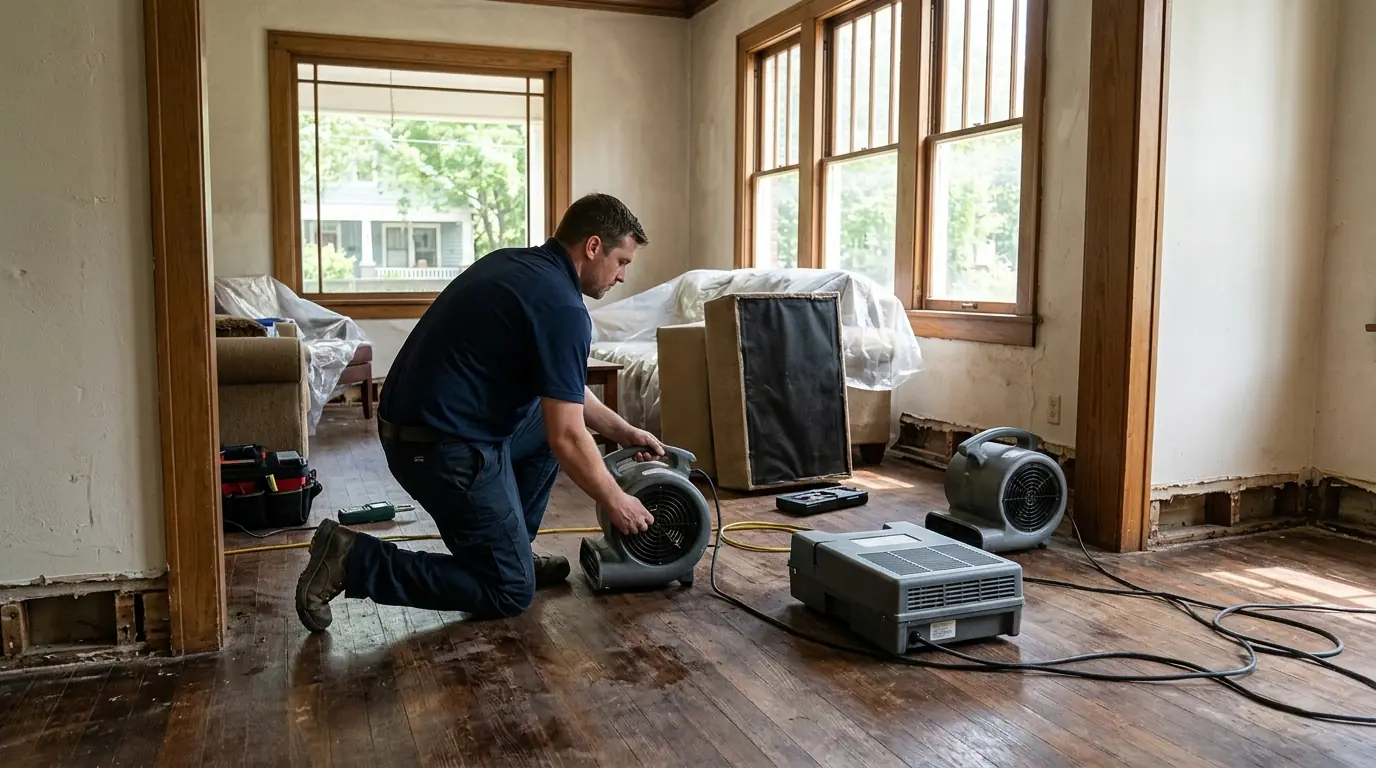
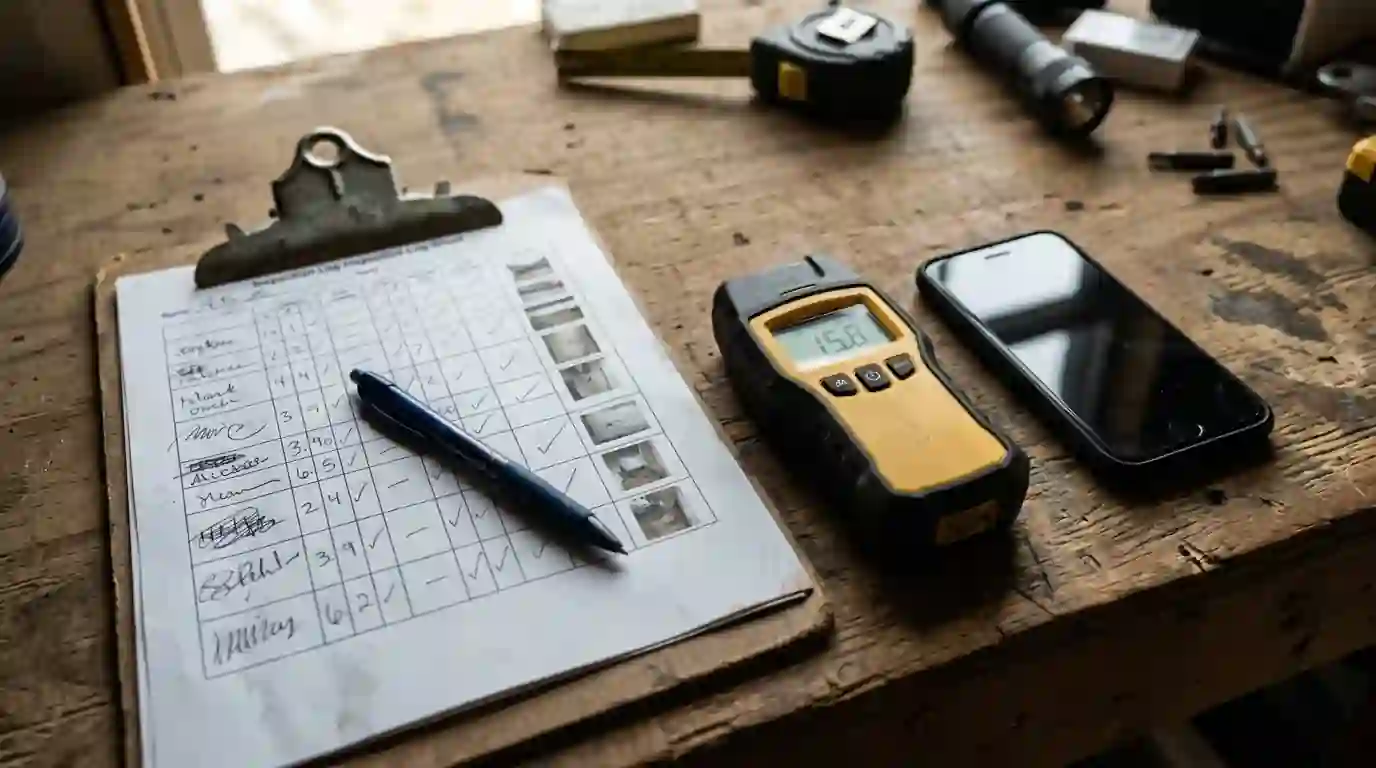
A good restoration file includes moisture readings for each affected area and the dry standard they were dried to, photos before, during and after the work, a written scope of what was removed and why, and an inventory of any contents packed out or discarded.
Adjusters often rely on that file to approve the scope. We provide it on every job, but coverage decisions are the insurer's.
Keep every receipt
Save receipts for anything you spend because of the loss: hotel stays, meals, fans or buckets, storage, laundry and emergency repairs. Many homeowners policies reimburse additional living expenses after a covered loss, but only with proof.
Keep everything in one folder, paper or digital, along with your claim number and the adjuster's contact information. The water damage restoration and fire damage restoration pages explain what the work itself involves.
FAQ
Common questions
Photograph it and keep a sample first. It may need to come out for health reasons, and the record shows why.
As soon as you reasonably can. Check your policy for its notice requirements.
You can, and usually should, start emergency mitigation. Hold off on permanent repairs until the scope is agreed.
Share your photos, readings and scope, and ask for a re-inspection of what was missed.
We provide the documentation and can walk the adjuster through it. Coverage decisions are theirs.
Talk to a person now
Need help building the record for a claim?
Call and we'll start the documentation along with the drying or cleanup.
Answered 24/7, holidays included.