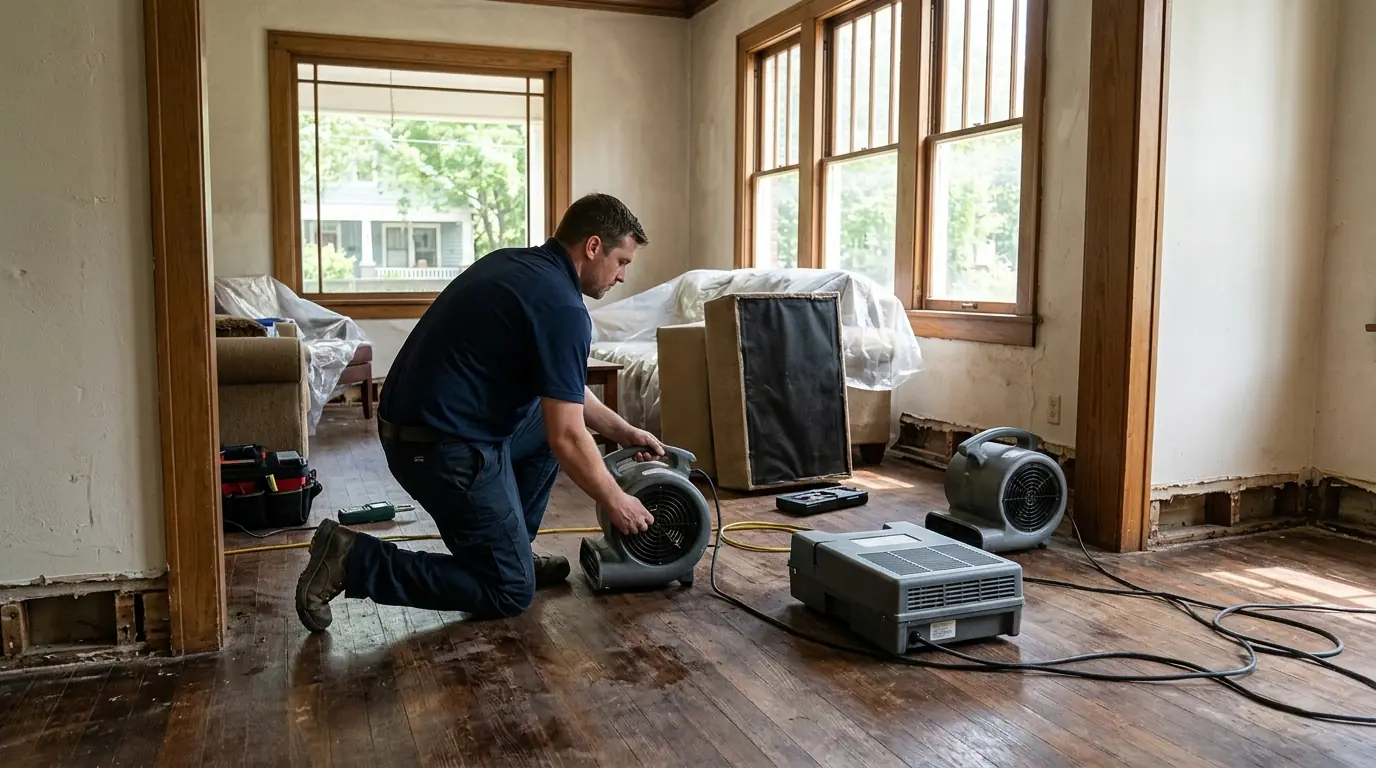
Water emergency guide
The first hour after a pipe bursts, step by step
What you do in the first hour decides how much of the house comes out later. Here is the order that limits the damage, from the shut-off valve to the photos your adjuster will ask for.
- Written by
- Maxine Colburn
- Role
- Restoration Guides Editor
- Updated
- September 2026
Short answer
In the first hour after a pipe bursts, shut off the main water valve, turn off power to any wet rooms, move valuables and electronics out of the water, photograph everything and call for extraction and drying. Water removed within the first day or two usually means far less drywall, flooring and cabinetry has to be replaced.
By Maxine Colburn, Restoration Guides EditorUpdated
Minute one: find the main shut-off
Every minute the pipe runs adds water to the floor, the walls and the room below. The main shut-off is usually where the water line enters the house: in a basement or crawl space on the front wall, in a garage, or in a utility closet near the water heater. Some houses also have a shut-off at the meter near the street, which needs a meter key.
Turn a round handle clockwise until it stops, or turn a lever a quarter turn so it sits across the pipe. Then open a faucet on the lowest floor to drain the lines and take pressure off the break.
Make the rooms safe before you walk in
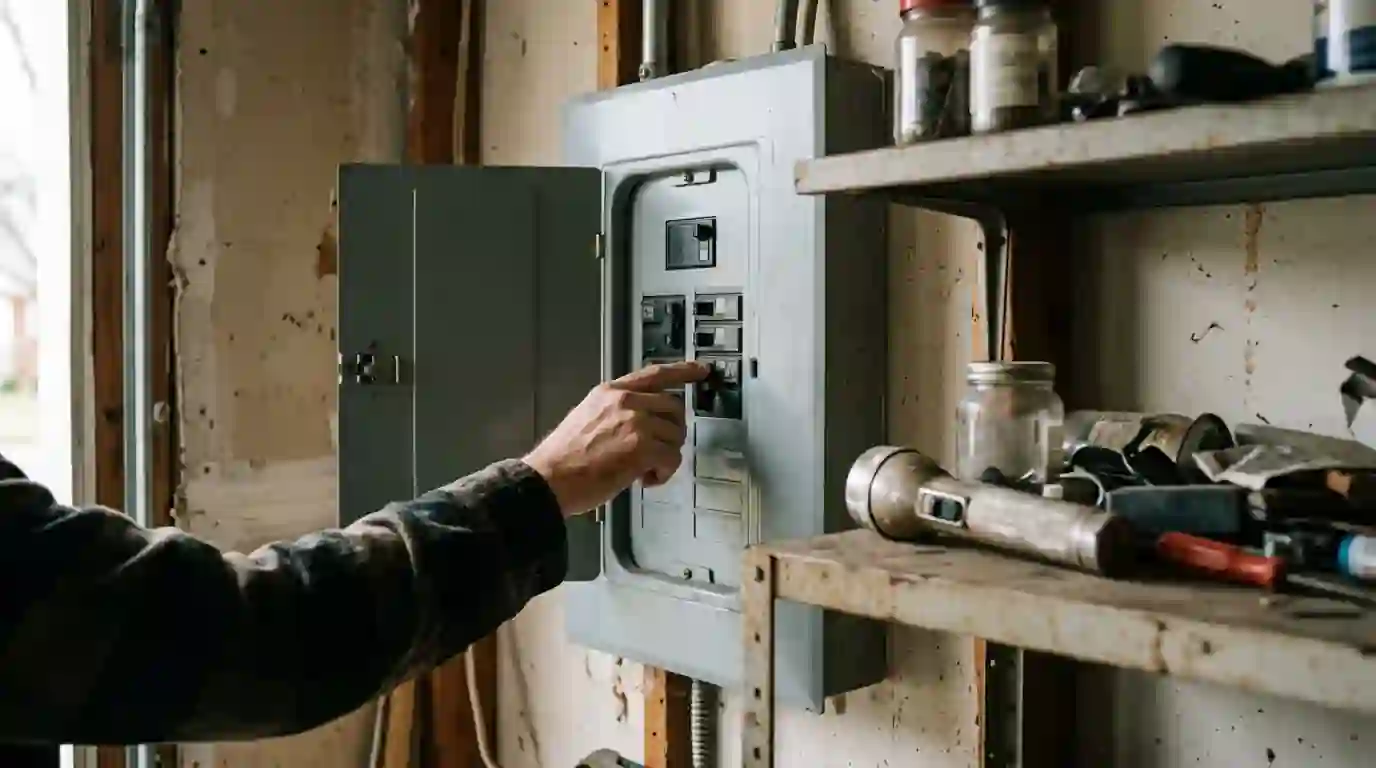
Water and electricity are the real danger in the first hour. If water has reached outlets, cords or a power strip, or is dripping through a light fixture, shut off those circuits at the breaker panel before anyone walks through. If the panel itself is wet, or you would have to stand in water to reach it, stay out and call the power company.
Look up before you walk under anything. A ceiling that bulges or sags is holding water and can come down all at once. Keep people and pets out of that room and put a bucket under the lowest point.
Move what you can, and leave what you cannot
Lift rugs, electronics, papers and photos out of the water and onto a dry floor or a table in another room. Put foil or wood blocks under furniture legs so the finish does not wick water or stain the carpet.
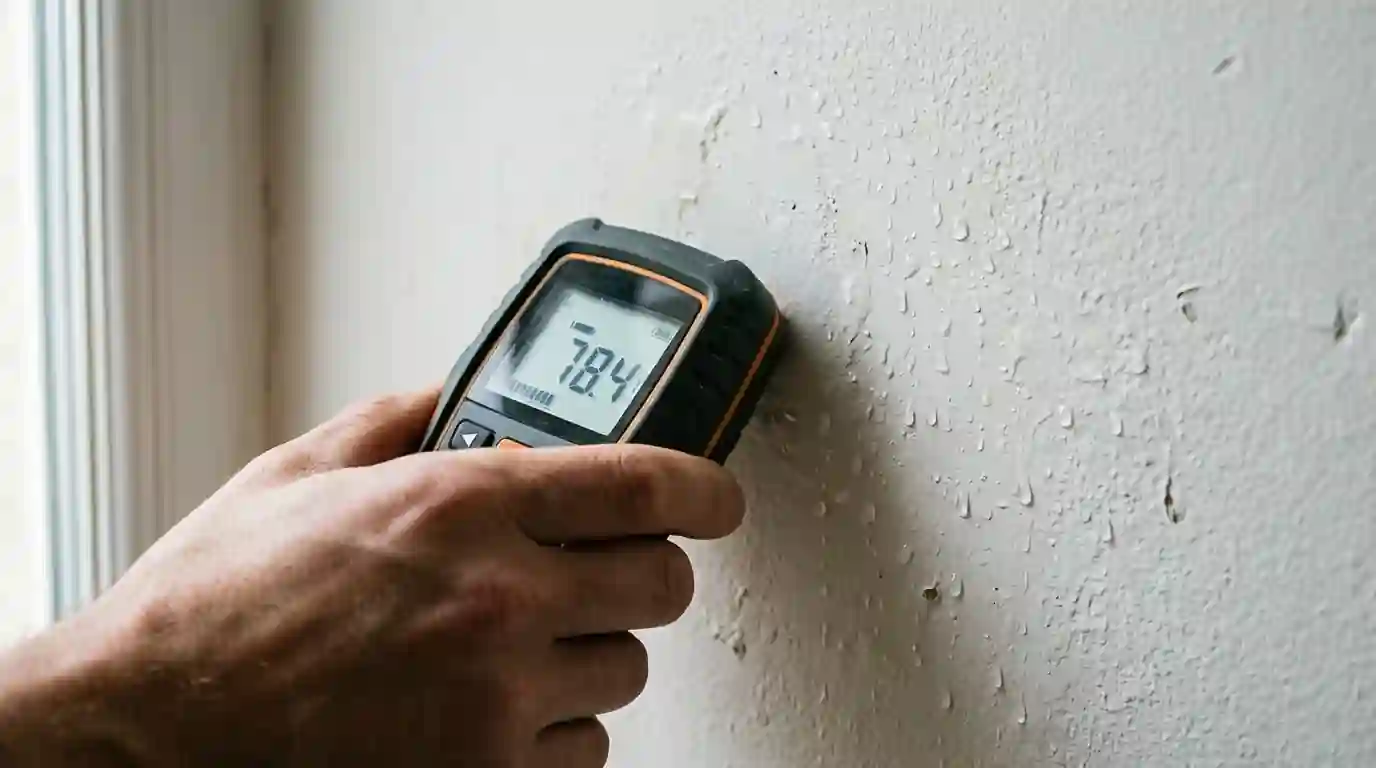
Leave built-in things alone: do not pull up carpet over tack strip, rip out drywall or start cutting cabinets. Those decisions depend on moisture readings, and removing sound material too early just makes the repair bigger.
Photograph everything before it moves
Take wide photos of each room and close photos of the break, the water on the floor, the ceiling below and anything damaged. A short video walking through the house, with the date visible on your phone, helps too.
Keep the broken piece of pipe or fitting if the plumber replaces it. Adjusters sometimes ask what failed, and a photo of the part beside a tape measure answers that quickly. Our guide to documenting damage covers the rest.
Call a plumber and a drying crew, in that order
The plumber fixes the pipe. A restoration crew gets the water out and dries the structure. Both can be on the way at the same time, and drying should not wait for the pipe repair.
Clean water from a supply line stays clean for only a day or two in carpet and wall cavities. After that it is treated as contaminated, and more material has to come out. That is the practical reason to call within the first hour rather than the next morning. The drying process itself is covered on the burst pipe water damage page.
What not to do in the first hour
A few common reactions make the damage worse:
- Using a household vacuum on standing water
- Turning on ceiling fans or lights in a room with a wet ceiling
- Running space heaters to speed up drying, which spreads moisture without removing it
- Painting over or patching stains before the drywall reads dry
- Throwing out damaged items before they are photographed
FAQ
Common questions
On wet drywall and wood in warm weather, mold can start within 24 to 48 hours, which is why drying should begin the same day if possible.
If the main will be off for a while, shut off the gas or the breaker to the water heater so it does not run without water coming in.
Usually, if the power is safe and the kitchen and a bathroom work. Stay out of rooms with sagging ceilings.
Stop the water first, then call your insurer and a restoration company. Most policies expect you to prevent further damage.
Try the meter at the street with a meter key, or call us and we will walk you through where it usually is.
Talk to a person now
Pipe burst and water still spreading?
Shut the main and call. We'll talk you through the next steps while we get moving.
Answered 24/7, holidays included.