Cost guide
What water damage restoration costs in Atlanta
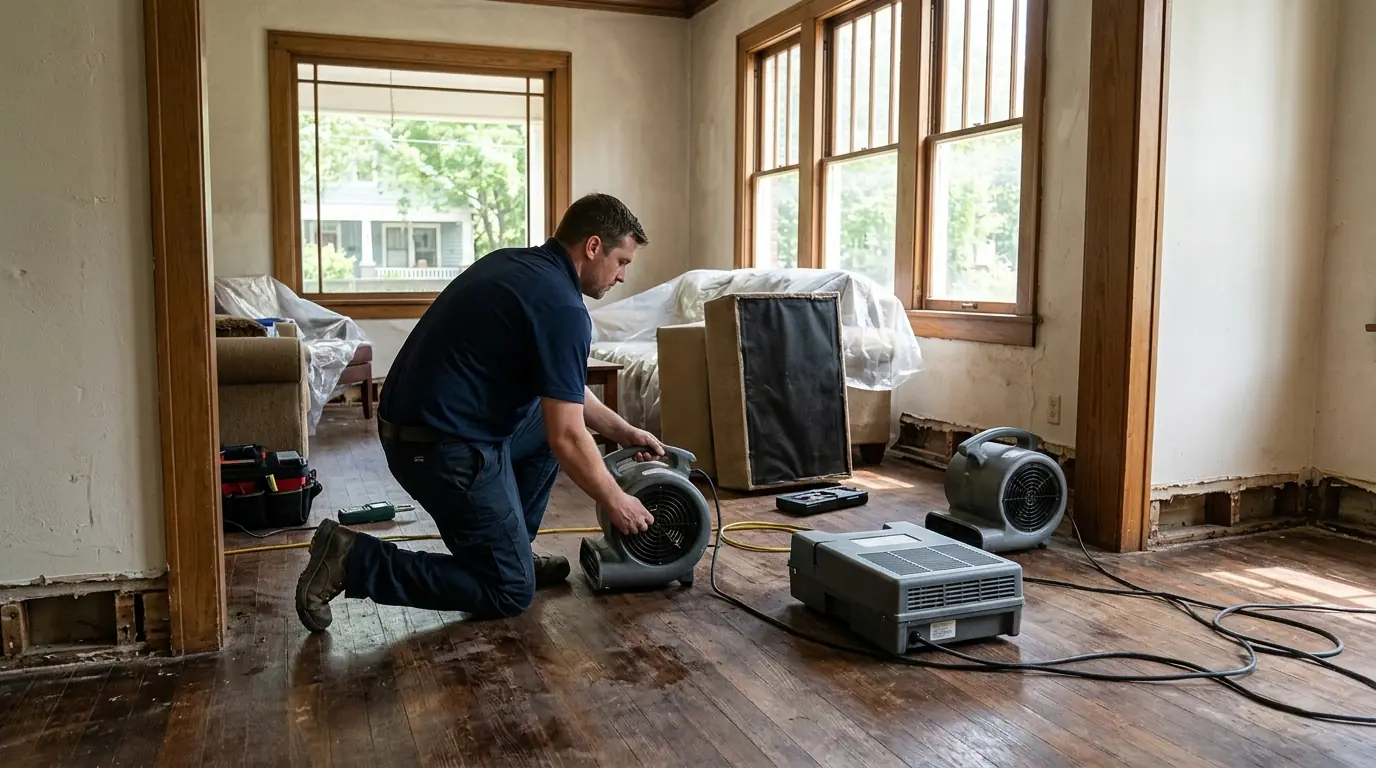
Nobody can price a water loss without seeing it, but you can know the ranges and what moves them. Here are published planning figures and the factors that push a job up or down.
- Written by
- Maxine Colburn
- Role
- Restoration Guides Editor
- Updated
- September 2026
Short answer
Most water damage restoration jobs fall between $1,364 and $6,301 according to HomeAdvisor's 2025 data, or roughly $3.50 to $7.50 per square foot depending on the water category, and Fixr puts the national range at $1,200 to $5,000. Size, water category, time before drying and the materials involved move a job within or beyond those ranges.
By Maxine Colburn, Restoration Guides EditorUpdated
The published ranges
National cost data is a starting point, not a quote. HomeAdvisor's 2025 figures put most water damage restoration jobs between $1,364 and $6,301, with an average of $3,833, and about $3.50 to $7.50 per square foot depending on how contaminated the water is.
Fixr cites a national range of $1,200 to $5,000, with a simple toilet overflow cleanup around $350 at the low end and a basement sewer backup that needs drywall and hardwood replaced reaching $50,000 at the high end. Those extremes show how much the source and the spread matter.
| Situation | Published figure | Source |
|---|---|---|
| Most water damage jobs | $1,364 to $6,301 | HomeAdvisor, 2025 |
| Per square foot | $3.50 to $7.50 | HomeAdvisor, 2025 |
| National range | $1,200 to $5,000 | Fixr, 2025 |
| Simple toilet overflow | About $350 | Fixr, 2025 |
| Sewer backup in a finished basement | Up to $50,000 | Fixr, 2025 |
What moves the number
Five things account for most of the difference between a small bill and a large one:
- Area. More wet square footage means more air movers, dehumidifiers and labor.
- Water category. Clean supply water can often be dried in place; gray and black water add cleaning and removal.
- Time before drying. Water that sits for days soaks deeper and can bring mold into the job.
- Materials. Hardwood, plaster, cabinets and finished basements cost more to dry or replace than tile and bare concrete.
- Repairs afterward. Drywall, paint, flooring and trim are a separate line from the drying.
Mitigation versus repairs
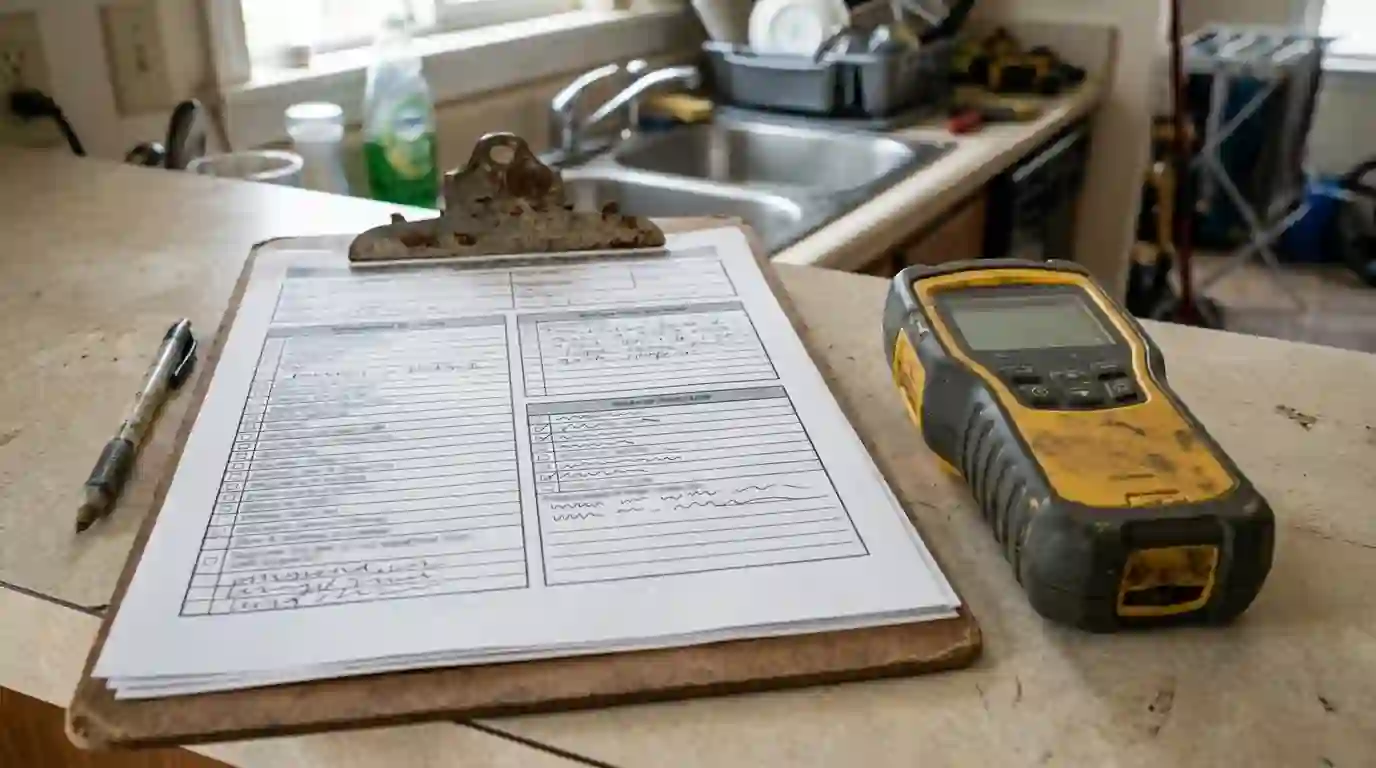
Restoration bills usually come in two parts. Mitigation covers the emergency work: extraction, removal of wet materials and drying equipment with daily readings. Repairs cover putting the house back: drywall, texture, paint, flooring and trim.
Asking for the two parts to be priced separately makes an estimate easier to read and easier to compare with your adjuster's numbers. It also lets you decide what has to happen now and what can wait.
What Atlanta adds to the picture
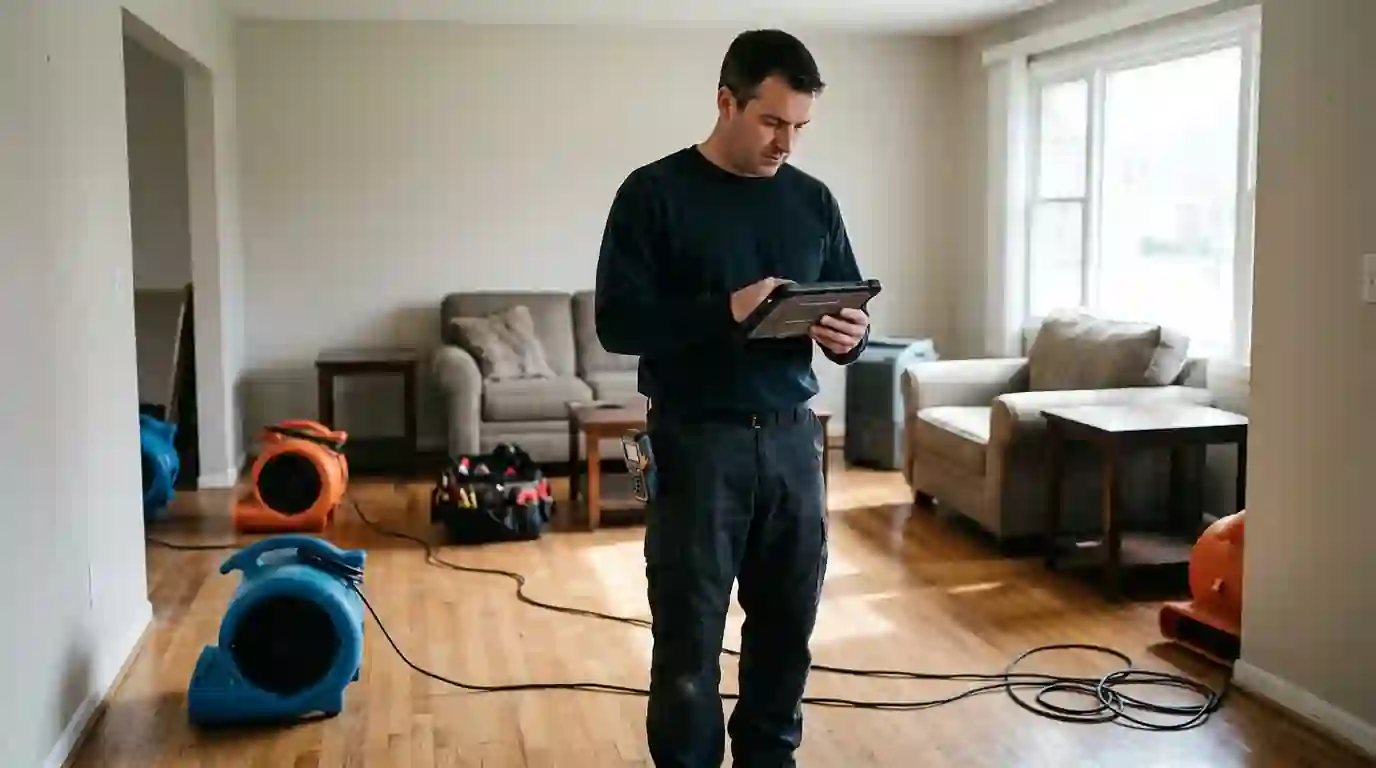
Atlanta's climate and housing add their own costs. Humid summers slow drying and make dehumidifiers work harder. Older intown houses bring plaster walls, original wood floors and crawl spaces that take longer to dry and more care to repair. Newer suburban homes bring finished basements and second-floor laundry rooms, which put water into the ceilings below.
None of that changes the published ranges on paper, but it explains why two jobs of the same square footage can come in at very different numbers.
How insurance fits in
If the loss is covered, your insurer pays according to the policy, minus the deductible. Sudden events like a burst pipe are commonly covered; slow leaks and outside flooding often are not. We document every job with photos, readings and a written scope so the adjuster can review it, but coverage decisions are the insurer's.
If the loss is not covered, ask for the mitigation and the repairs to be priced separately so you can decide what to do now. The water damage restoration page explains what each stage involves.
FAQ
Common questions
Water travels under floors and inside walls. The price depends on how far it went, and that takes meter readings to see.
Sudden, accidental water damage is commonly covered; gradual leaks and outside flooding often are not. Your policy decides.
Equipment runs until readings reach dry standard, so the number of days depends on the materials and conditions.
For a small clean spill on tile, yes. For wet walls, carpet pad or subfloor, fans without dehumidifiers and readings usually leave moisture behind that costs more later.
Stop the water fast and get drying started within a day or two. Time is the factor you control most.
Talk to a person now
Want a real number for your job?
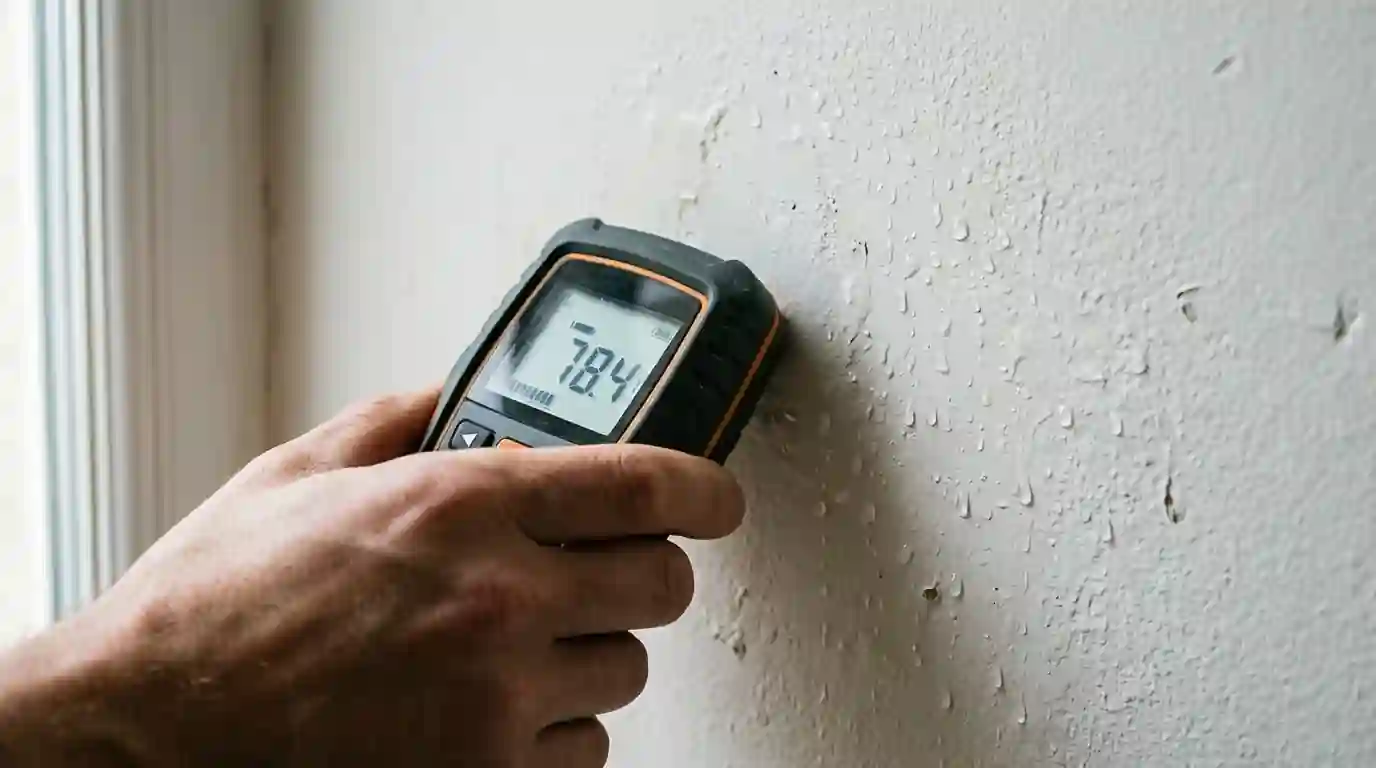
Call and we'll come read the moisture and write up a scope.
Answered 24/7, holidays included.