Fire recovery guide
The first 72 hours after a house fire
The first three days after a fire decide how much can be saved. Here is what happens and in what order, from the moment the fire department leaves to the first cleaning.
- Written by
- Maxine Colburn
- Role
- Restoration Guides Editor
- Updated
- September 2026
Short answer
In the first 72 hours after a house fire, wait for the fire department to release the house, secure it with board-up and roof tarps, get the firefighting water out and start soot cleaning before residue sets into surfaces. Call your insurer early, photograph everything and pack out the belongings that can be saved.
By Maxine Colburn, Restoration Guides EditorUpdated
Hours 0 to 12: safety and securing the house
Do not go back inside until the fire department releases the house. Even then, ask them about the power, the gas and any rooms with ceiling or floor damage. Take your wallet, medications, phone chargers and important documents if you can reach them safely.
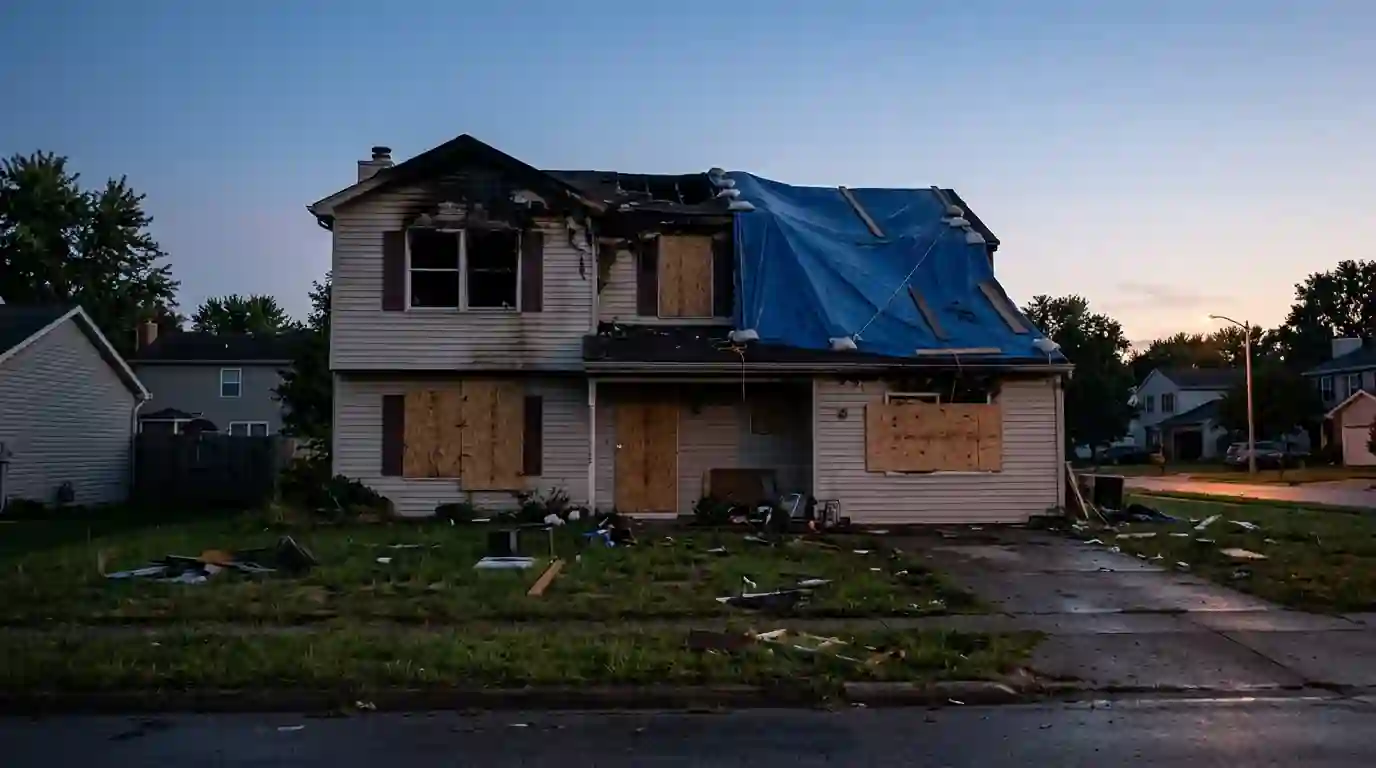
Most houses are left open after a fire, with broken windows, forced doors and ventilation holes in the roof. Board-up and tarping should happen quickly, to keep out rain and people and to meet your policy's duty to protect the property.
Hours 12 to 24: call the insurer and start the file
Call your insurance company and get a claim number. Ask what your policy covers for temporary housing, which many homeowners policies include as additional living expense. Keep receipts for hotels, meals and anything you buy because of the fire.
Photograph every room before anything is moved or thrown out, including the rooms that only got smoke. The documentation guide lists what adjusters look for.
Hours 24 to 48: get the water out
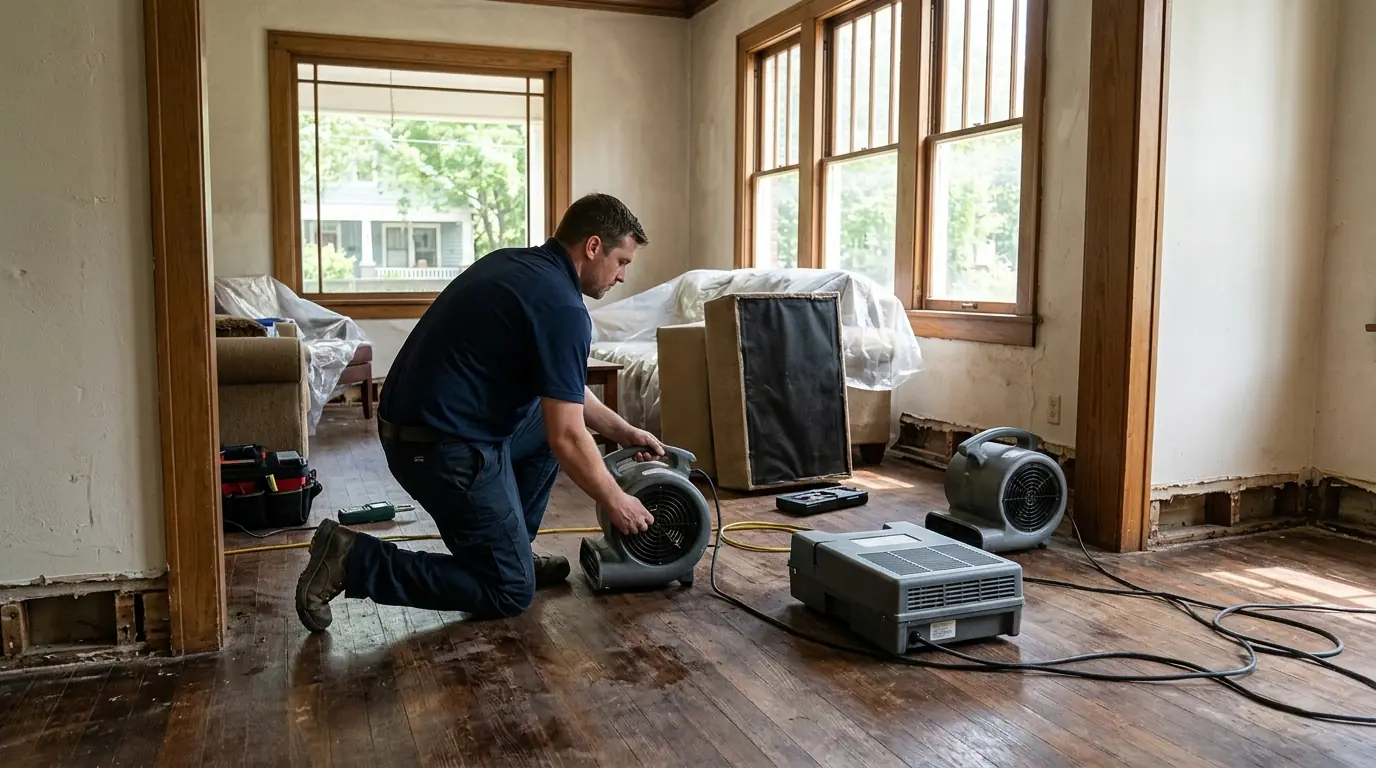
Firefighting often puts more water into a house than people expect, soaking carpet, drywall and insulation in rooms the fire never reached. That water starts damaging the structure within days, so extraction and drying start early, alongside the first soot work.
Wet insulation in the ceilings usually has to come out, and wood floors get watched for cupping. Drying a house with soot in it is slower than drying after a burst pipe, because some surfaces have to be cleaned before air can move across them.
Hours 48 to 72: soot, smoke and belongings
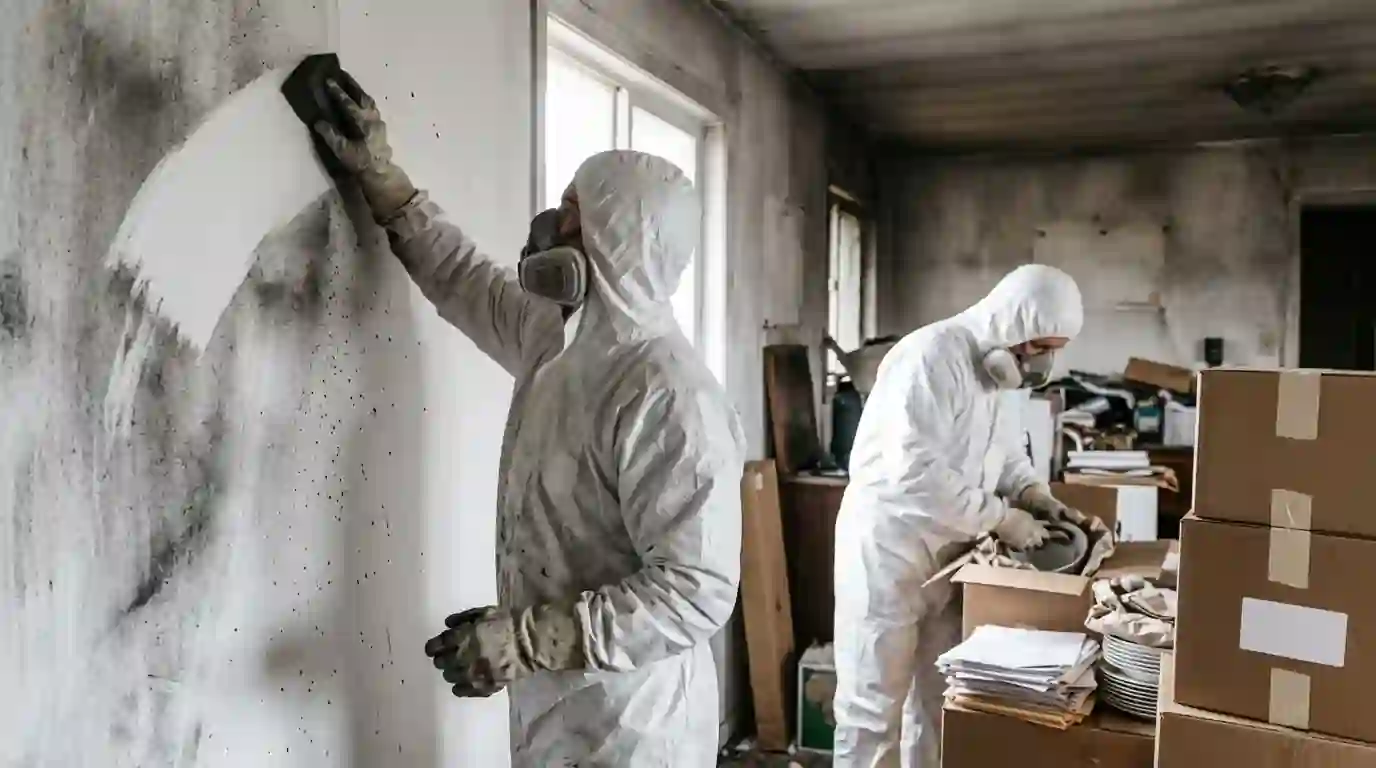
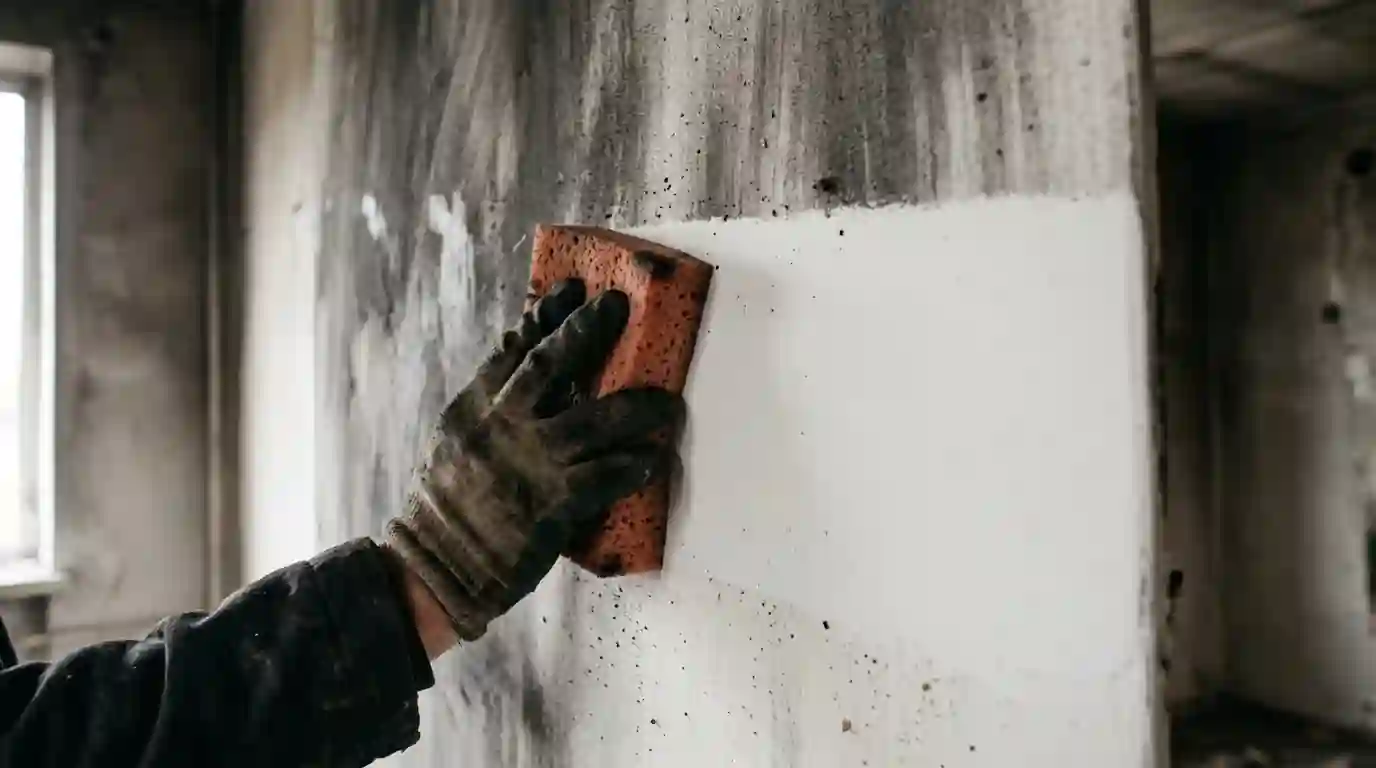
Soot is acidic and bonds to surfaces over days, yellowing plastics and etching metal. Dry soot is vacuumed and sponged off rather than wiped with water, and the HVAC stays off so it does not spread.
This is also when belongings are sorted. Items that can be cleaned are inventoried and packed out, and things that cannot be saved are photographed and listed. The pack-out process builds the list your contents claim will depend on.
What not to do in the first days
A few things set people back early on:
- Turning on the HVAC before the ducts are checked
- Wiping soot with water or household cleaners
- Throwing out damaged items before they are photographed
- Eating food that sat in the heat, smoke or firefighting water
- Signing a contract before you understand the scope
FAQ
Common questions
Only when the fire department releases it and says it is safe. Ask about power, gas and structural damage.
Many homeowners policies include additional living expense. Ask your insurer and keep every receipt.
Many hard items and some fabrics can be cleaned; heavily charred and porous items often cannot.
Within the first days. Soot and water both do more damage the longer they sit.
Not the whole time, but someone should walk through with us at the start to decide what matters most.
Talk to a person now
Just had a fire?
Call once the fire department releases the house. We'll secure it and walk you through the next three days.
Answered 24/7, holidays included.